An overview of key events in Panama in 2026, including major festivals, cultural gatherings, and nationally significant celebrations.
Panama hosts a wide range of public events throughout the year, including large national festivals, cultural gatherings, and regionally significant celebrations. This overview highlights some of the main events in Panama in 2026, along with a small selection of other celebrations worth knowing about. For visitors, these events offer a way to experience Panama during moments when music, tradition, and public celebration move into shared spaces and shape everyday life.
1. Panama Jazz Festival (January)
The Panama Jazz Festival takes place in Panama City and is set to begin this week, from January 15-17. This is perhaps Panama’s most internationally recognized music event. Founded in 2003, the festival has grown into a major annual gathering for jazz musicians, educators, and audiences from Panama and abroad.
Events are held across multiple venues in the capital and typically include headline concerts, smaller performances, and public shows featuring both international artists and leading Panamanian musicians. The festival is closely associated with music education and often includes workshops, clinics, and masterclasses alongside the main performances.
A central element of the festival is its emphasis on Latin jazz and contemporary interpretations that reflect Panama’s musical heritage, particularly influences tied to Afro-Panamanian rhythms and Caribbean traditions. Student ensembles and emerging musicians are regularly featured, giving the event a strong local and regional presence.
View this post on Instagram
2. Carnaval (February)
Carnaval de Panamá takes place in mid-February, with the main carnival period this year running from Saturday, February 14 through Tuesday, February 17. It’s Panama’s largest annual public celebration and is celebrated around the country, with the main events held in Las Tablas on the Azuero Peninsula and Panama City.
Las Tablas is widely regarded as the traditional heart of Panama’s carnival. Events revolve around daily culecos held during the daytime, followed by elaborate nighttime parades featuring competing queens, large floats, fireworks, and tightly choreographed performances. Celebrations run continuously across the four main carnival days, with crowds filling the town center from morning through late night.
Panama City’s carnival has a more urban format. Programming typically includes large concerts, parade-style events, and performances staged along designated routes and waterfront areas. The focus is on live music, dance, and mass public gatherings designed for large crowds.
Together, the Las Tablas and Panama City celebrations represent two distinct approaches to carnival, one rooted in interior traditions and the other shaped by the scale and pace of the capital. During these four days in February, carnival activity dominates public life across much of the country.
3. Tribal Gathering (February / March)
Tribal Gathering is an 18-day music and culture festival held on a remote Caribbean beach in Panama, combining electronic music programming with Indigenous-led cultural activities. The 2026 edition runs from February 27 to March 16, making it one of the longest festivals on Panama’s annual calendar.
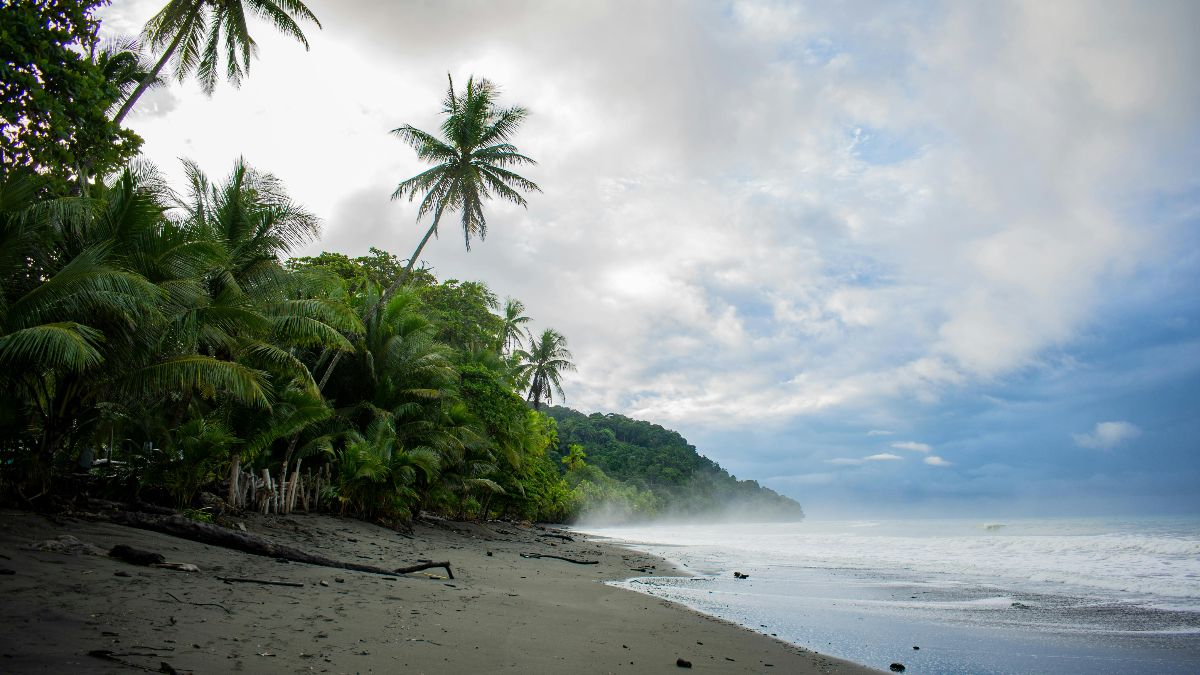
This event takes place on a palm-lined beach on Panama’s Caribbean coast, often referred to as Hippie Beach, with jungle surroundings and on-site camping rather than nearby towns or hotels. Attendees stay in tents or glamping setups and access the site via organized transport. Programming is structured in two main phases. The first places greater emphasis on Indigenous ceremonies, talks, and workshops, with delegates from different Indigenous nations sharing traditions and perspectives. The second shifts toward electronic music, particularly psytrance, alongside related genres such as house, techno, drum and bass, and world-influenced electronic styles, with multiple beach stages running from daytime into the night.
As an aside, Tribal Gathering gained international attention in March 2020, when Panama declared its Covid state of emergency as the festival was ending. Authorities closed the borders and ordered remaining attendees to stay on site under quarantine. The travel restrictions at the time left hundreds of foreign festival-goers temporarily unable to leave the country, making the event widely reported in international media.
4. Festival de la Pollera (July)
The Festival de la Pollera is held in Las Tablas each July, typically around July 22, which is celebrated nationally as Día de la Pollera. Las Tablas is widely regarded as a center of Panamanian folklore, and the Festival de la Pollera reflects exactly that.
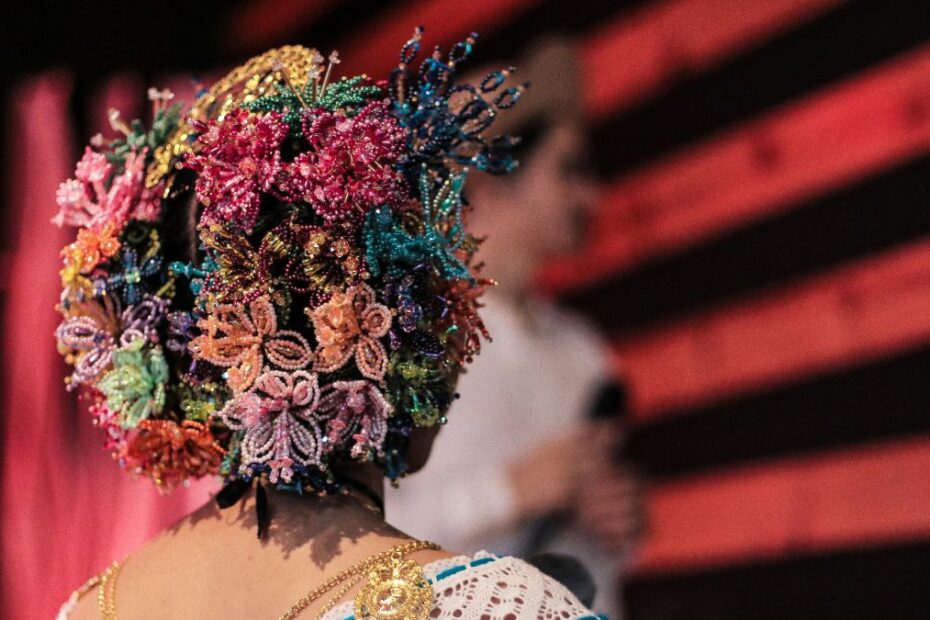
The festival centers on the pollera, Panama’s traditional women’s dress, and brings together participants from across the country. Formal parades, competitions, and public presentations form the core of the program, with women and girls wearing elaborately embroidered polleras paired with traditional jewelry and hairstyles. Craftsmanship, historical accuracy, and presentation are key judging criteria.
Music and dance accompany the parades, with folk groups performing traditional Panamanian rhythms in public spaces throughout the town. Artisan markets and cultural displays often run alongside the main events, highlighting embroidery, jewelry-making, and other crafts associated with pollera production.
5 Black Christ Festival (October)
The Black Christ Festival takes place each October in the Caribbean community of Portobelo and is one of Panama’s most important religious events. The main pilgrimage day is October 21, when thousands of people travel to Portobelo to honor the Black Christ (Cristo Negro) statue housed in the Church of San Felipe.
Activities build in the days leading up to October 21, but the largest crowds arrive on the main day of devotion. Pilgrims walk long distances to reach Portobelo, many dressed in purple robes, while others arrive by bus or boat. The town fills with processions, prayer services, and informal gatherings centered on the church and surrounding streets.
On the day itself, religious ceremonies take place throughout the day and into the night, with the statue of the Black Christ remaining the focal point. Vendors line the streets selling food, candles, and devotional items, and much of Portobelo’s public space becomes part of the event.
View this post on Instagram
Other Events Worth Knowing About
Moon Fest World Cup (April)
Held April-11-19, this is a sports and music event held in Panama City and Colón, combining competitions with live performances and public activities. This year’s Moon Fest is significant because Panama qualified for and will be competing at the World Cup in the summer.
Corpus Christi Devil Dances (June)
Traditional masked dances in La Villa de Los Santos on the Azuero Peninsula performed as part of the Corpus Christi celebrations, recognized by UNESCO for their cultural significance.
World of Coffee Panama 2026 (October)
A major international coffee event in Panama City from October 23-25 bringing together producers, roasters, and industry professionals from around the world.
Wrapping Up
Panama’s events calendar in 2026 reflects the country’s cultural range, from large national celebrations and long-running religious pilgrimages to internationally recognized music and food events. Many of these gatherings take place in public spaces and rely on active participation rather than formal venues, giving them a strong communal character. Experiencing Panama during these events offers insight into how tradition, contemporary culture, and international influences intersect in everyday public life across different parts of the country.