Deserts in Central America? Not quite, but Sarigua in Panama and the Motagua Valley in Guatemala come close. Here’s how to see both.
Mention deserts in Central America and most people are like, say what? After all this is lush Central America, home to some of the greenest countries on the planet where it rains for literally half the year. This isn’t Saudi Arabia or the UAE. Heck, it’s not even northern Mexico or Arizona. This is Central America, known for rainforests and tropical beaches. Deserts don’t even come into the picture here. Or do they?
The reason we ask is because Panama has a place called the “Sarigua Desert”, and eastern Guatemala’s Motagua Valley has cactus-covered hills and some of the driest conditions in the region. Are these really deserts like you find in Dubai, filled with sand dunes and camels? Well, no. Neither Sarigua or Motagua is a true desert. Sarigua is a coastal area of highly saline soil, and the Motagua Valley is a semi-arid stretch of thornscrub and dry forest. But both places are definitely worth a look for anyone who has already seen the region’s signature rainforests and volcanoes and wants something stranger.
Again, we have to stress that this isn’t the Arabian Peninsula, where SUV cars for rent in Dubai make it super easy to get out into a real desert to explore the dunes. If you’re a budding T.E. Lawrence, we strongly suggest heading over there. But if you’re traveling here in Central America and want something stranger than the region’s signature rainforests and volcanoes, our two “deserts” are worth the effort. The attractions in both are walking trails, unusual plants and wildlife, and the chance to see how dry land exists in the middle of the wet tropics.
Sarigua: Panama’s “Desert”
Sarigua National Park is located near the town of Parita in Herrera province, on Panama’s Azuero Peninsula. Panama’s tourism authority calls it the driest area in the country, and the bare ground and sparse vegetation have earned it the nickname “Panama’s desert.” The Ministry of Environment, MiAmbiente, has a less catchy name for it. It calls Sarigua an albina, which is an area of highly saline soil.
So how did a patch of Panama end up looking like this? Partly it was the sea. Seawater and salt left the soil in a state where many plants simply can’t grow. And partly it was people. Deforestation stripped the land and left the ground exposed to erosion. The Universidad Tecnológica de Panamá points to both salinization and human activity as major factors.
The result is exposed cracked and parched earth, scattered vegetation, and eroded formations. That’s only part of the park, though. Sarigua also protects dry forest and mangroves, and it doesn’t take much of a walk beyond the open ground to see how quickly things change. MiAmbiente has been working to restore the area, planting species that can handle the salty soil and trying reduce further erosion.
The most interesting thing about Sarigua might be how long people have been living on this land. The La Mula archaeological site, inside the park, has traces of human activity going back to around 5000 B.C. Excavations in the 1980s, backed by the Smithsonian Tropical Research Institute, led researchers to conclude that La Mula-Sarigua became the earliest large farming community in the region. That’s a lot of history for a place most people have never heard of.
Visiting Sarigua
If you’re renting a car or driving from Panama City, Sarigua is just less than four hours away, which makes for a long day trip. It makes much more sense as part of a trip around Azuero, with Chitré or Parita as your base. If you’re staying at the Bech near Pedasí, you’re around an hour-and-a-half away.
The park is open every day from 8:00 AM to 4:00 PM, and foreign visitors pay $5 to get in. Start at the visitor center, which has restrooms and a small exhibition of finds from the archaeological sites. Panama’s tourism authority describes several walking routes, including the Las Dunas archaeological trail and the paved Armadillo Trail, which has shaded rest areas. A short detour off the trail takes you to the archaeological area itself.
There’s nowhere to buy food or drinks in the park, so bring your own, and bring more water than you think you’ll need. Go early, before it gets seriously hot, and wear sun protection and proper shoes. If you can get a guide, do. The salt, the soil, and the plants that manage to survive in it are the real story of Sarigua, and they’re much more interesting when someone explains them.
View this post on Instagram
The Motagua Valley: Guatemala’s Cactus Country
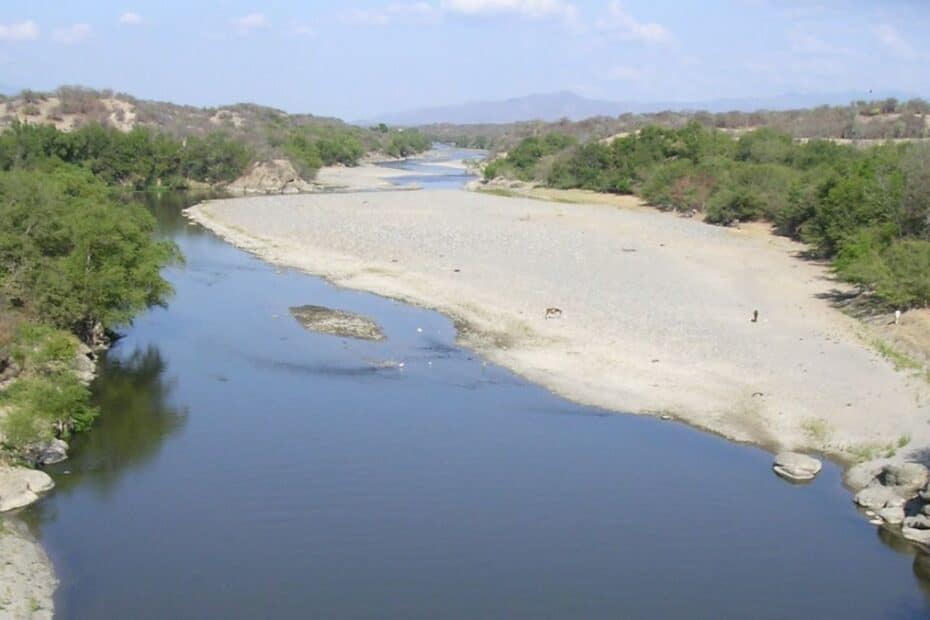
Over in eastern Guatemala, the semi-arid middle stretch of the Motagua Valley runs across parts of El Progreso, Zacapa, and Chiquimula. With its cacti, thornscrub, and dry forest, parts of the valley look like they belong in a different country from the green Guatemala most visitors see. Think more like a mini version of the American Southwest just two-and-a-half hours drive from Guatemala City or three from Antigua. You can imagine Clint Eastwood out here.
The mountains around the valley are to blame. Moist air dumps its rain on the way over, so by the time it reaches the valley there’s very little left. Guatemala’s National Council of Protected Areas, CONAP, records less than 500 millimeters of rain a year in the middle Motagua Valley and calls it Central America’s driest valley.
Unlike Sarigua, nobody wrecked this landscape to make it dry. It’s naturally that way, and everything growing in it has adapted to going long stretches without much water. The plants are a big part of the reason to go.
The valley’s most famous resident is the Guatemalan beaded lizard, a threatened reptile known locally as the lagarto escorpión or niño dormido, which translates as “sleeping child.” Conservation work in the valley focuses on protecting the lizard and the dry forest it lives in.
Visiting the Motagua Valley
While Sarigua in Panama is one park with a visitor center, Motagua is a big, inhabited valley. Most of the valley floor is now irrigated farmland, so you’ll need to pick a reserve to see the thornscrub properly. The two best options are both in the municipality of Cabañas, Zacapa. On the drive out, you’ll see the green thin out into scrub and cactus long before you get there.
The Parque Regional Municipal Niño Dormido is about eight kilometers from Cabañas and protects dry forest and thorn scrub, including beaded lizard habitat. It’s listed as open on weekdays only, from 8:00 AM, so check with the Cabañas municipality before you plan a weekend trip to visit.
Close to the municipal reserve is the Reserva Natural Heloderma, a private reserve in the village of El Arenal that works to protect both the lizard and the valley’s dry forest. It has walking trails and offers tours and camping, and you can arrange a visit by contacting the reserve directly. Both municipal and private reserves work together to conserve the natural habitat in this part of Guatemala.
Wherever you go, get a guide. Half the fun is knowing what you’re looking at and how it manages to survive. As for the lizard, you might get lucky, but don’t count on it. Go in the morning while it’s cooler, take plenty of water, and slow down. The cacti, trees, reptiles, and birds are easy to miss if you’re charging along the trail. Make sure your rental car has high clearance if you want to explore trails deep into the thornscrub. Don’t infringe onto private property, though.
View this post on Instagram
Fitting Them Into a Trip
While each Central American “desert” is an interesting break from the norm, neither Sarigua or Motagua needs a trip of its own. The highway that takes you to the Motagua Valley is Guatemala’s main route to the Caribbean coast, so a morning at one of the Motagua reserves can break up the drive from Guatemala City to the beaches of Livingston. Sarigua works the same way for anyone heading down the Azuero Peninsula, since it sits just off the road to the peninsula’s towns and beaches.
Timing matters more for the Motagua than for Sarigua. Most of the valley’s rain falls between June and August, when the hills briefly turn green. Go any other time of year and you’ll see it brown, dusty, and covered in spines. Which is just the way you want to check out a desert. Either way, it’s hot, so plan to be on the trail early and back in the rental car with the air conditioning on by lunchtime.
And if, after a morning among the cacti, you decide you want the real thing after all, with dunes, camels, and sand as far as you can see, then places like the UAE will still be waiting.