Four Central American countries now have digital nomad visas. We compare what Belize, Costa Rica, Guatemala, and Panama ask for, how long each lets you stay, and what it costs.
I’ve said it before and I’ll say it again: I hate the term “digital nomad,” even if, for all intents and purposes, I am one myself. It conjures up images of hostels, co-working spaces, and a certain smugness about life.
But I haven’t worked in an office for almost two decades, at least not full-time. My work attire consists of underpants and a t-shirt (both optional), and I work from my home office, couch, kitchen table, front porch, and every now and then a coffee shop or restaurant. It’s the term I hate, not the lifestyle. I much prefer “remote worker,” which feels less pretentious, so that’s what I’ll use in this article. Three Central American countries currently have visas for remote workers, and here’s how they compare, plus a note on Belize.
A Note on Belize
In 2022, Belize introduced a remote worker program called Work Where You Vacation. It was open to citizens and permanent residents of the US, Canada, the UK, and the EU who were employed or self-employed outside Belize, with an income of at least $75,000 a year, or $100,000 with dependents. In return, you could stay in Belize for up to six months in a calendar year, with no extensions.
Now here’s where it gets interesting about whether or not this thing even exists. The program still has a page on Travel Belize, the Belize Tourism Board’s site for visitors. But it’s missing from the board’s own website, where its other programs, including the QRP retirement program, are listed. Not only that, the application page they lead you to on the immigration department’s website has also disappeared. To me, that looks like they’ve dropped the program, with nobody getting round to taking the last page down. If you know Belize, or any other country in this part of the world, that’s pretty much part of the norm. I also emailed the immigration department about this and received no reply, which is also part of the norm.
Honestly, I wouldn’t be surprised if they’d quietly dumped this program and just said nothing about it. I just can’t see how anyone would be interested in it in the first place. It asked for $75,000 a year in return for six months in the country, when anyone can stay just as long by extending a tourist visa every month, with no income test at all. If you’re interested, contact Belize’s immigration department before planning around it. The permit cost US$250 or US$500 per adult, depending on whether you went by the tourism board or the immigration department, while six months of tourist extensions at US$100 a month comes to US$500. So at best, you saved US$250 for proving you earned $75,000 a year. If you’re interested, contact Belize’s immigration department before planning around it, and hope you get better luck than we did trying to ask them.
Costa Rica
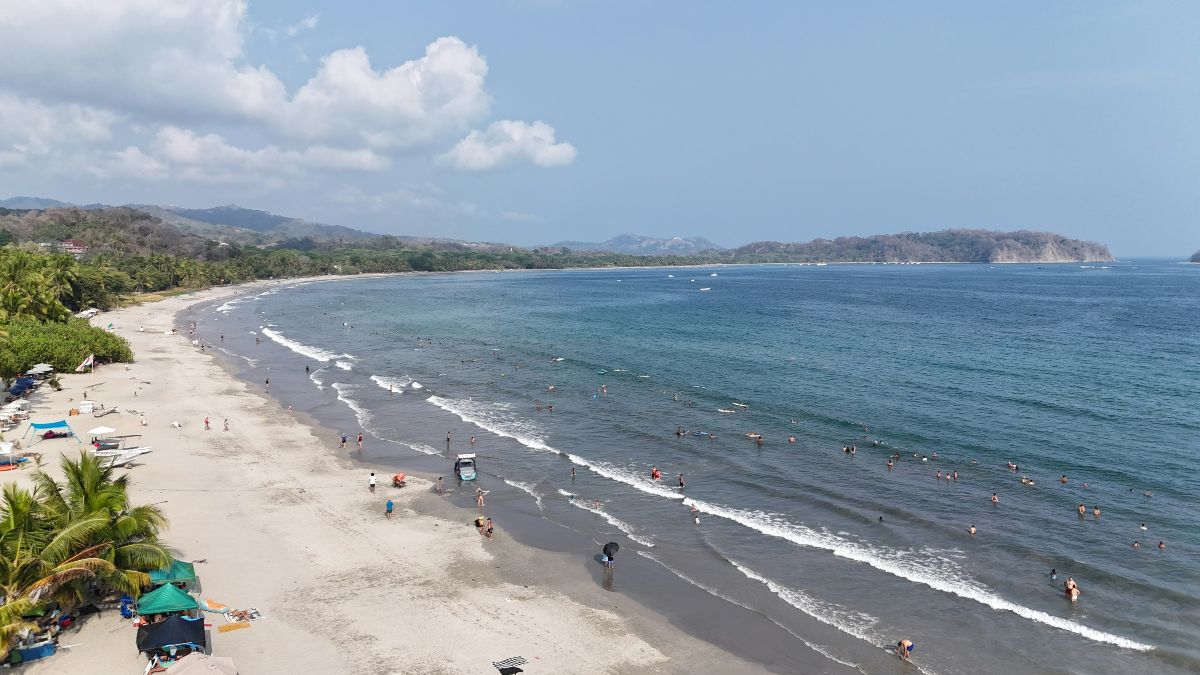
So let’s look at digital nomad programs that actually exist for sure. Costa Rica’s remote worker visa came into force in 2022. It’s the only remote worker visa in Central America with a tax exemption written into the law itself.
Requirements and Process
You need to show a stable income of at least $3,000 a month from outside Costa Rica, or $4,000 if you bring your family, backed by 12 months of bank statements or an accountant’s certification. You’ll also need health insurance that covers you for your whole stay, with at least $50,000 of coverage.
The program is promoted by the Costa Rica Tourism Board, but the application goes through Migración (Costa Rica’s Immigration Department). You can apply online through Migración’s Trámite Ya platform, after registering an account there, or in person at one of its offices if you’re already in the country and you don’t need a lawyer. The government fee is $100 per person, plus a $15 bank charge if you pay from abroad, and Migración has 15 days to make a decision once you apply. The visa lasts a year and can be renewed once for a second year, for a $90 fee, as long as you still meet the income and insurance requirements. That’s the limit, though. It doesn’t lead to “real” residency, so if you want to stay longer, you’ll need to switch to another category.
The income you earn from abroad isn’t taxed in Costa Rica while you’re on the visa. You can also open a local bank account, drive on your foreign license, and bring your work equipment into the country without paying import duty.
Guatemala
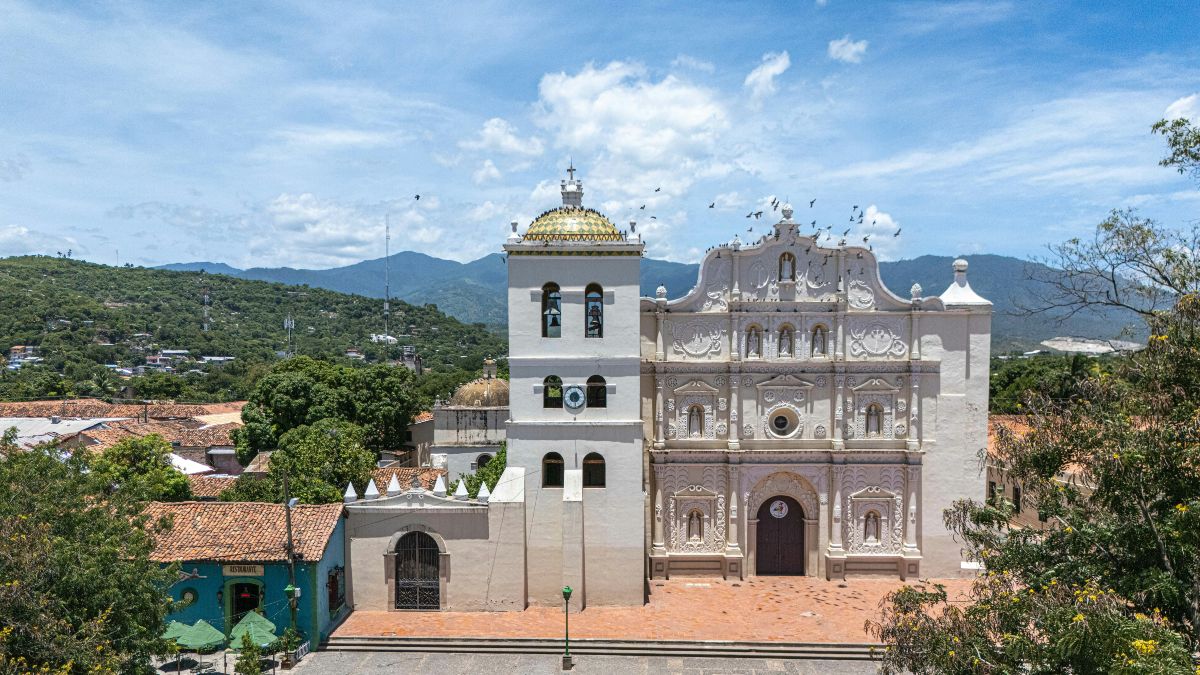
Guatemala added a remote worker category to its residency rules in October 2025, which makes it the newest program in the region. Once you have it, it’s the best of the three Central American remote worker visas, by far. It asks for the lowest income, lets you stay the longest, and, most importantly, is the only one that leads to permanent residency. But getting it is a lot more like applying for “real” residency than for a simple remote worker visa.
Requirements and Process
Officially, it’s temporary residency for a worker with a foreign employer. You need to show an income of at least $2,000 a month from abroad over the previous year, or $3,000 if you bring dependents, backed by bank statements or an accountant’s certification. You don’t need a Guatemalan guarantor or a work permit from the Labor Ministry, which most foreign workers in Guatemala need. There’s a separate route for the self-employed, though the official income figure only applies to people with a foreign employer.
The application is done in person at the Guatemalan Migration Institute in Guatemala City, with no online or consulate option. You’ll need a Guatemalan address, and an inspector may visit to check it. You don’t have to use a lawyer, though many people do. There’s also a sliding scale of how long you want the visa for, ranging from one to five years. The fees are a $25 application fee, then $200 for one year, $300 for two, or $500 for three to five. Guides estimate anywhere from one to four months for approval, and you can stay in the country while you wait, even if your tourist stay runs out. After five years of temporary residency, you can apply for permanent residency.
Guatemala only taxes income earned inside the country, so a salary paid from abroad isn’t taxed.
Panama
Panama’s remote worker visa was the first in the region, created in May 2021. The income requirement matches Costa Rica’s, but the process involves a lawyer and more paperwork, and you can only stay for 18 months in total, with no route to residency.
Requirements and Process
You need an income of at least $36,000 a year from abroad, which works out at $3,000 a month, either from a company based outside Panama or as a self-employed worker with clients abroad. It’s for individuals only, so a spouse or children can’t be included and would need to apply for their own status some other way. You’ll also need health insurance valid in Panama for your whole stay, a health certificate from a doctor in Panama, a criminal record check, and a sworn statement that you won’t take a job in Panama.
You have to be in Panama to apply, and the application has to be filed by a Panamanian lawyer. Government fees are $250 for the application plus $50 for the card, with legal fees on top. Estimates for approval range from about a month to several months. The visa lasts nine months and can be renewed once for another nine, for a maximum of 18 months. It’s classed as a short-stay visa, so it doesn’t count as residency and doesn’t lead to it.
Panama only taxes income earned inside the country, so income from abroad isn’t taxed there.
Which Remote Worker Visa is Best?
Here’s how the three stack up, first by how easy they are to get, then by how good they are to have once you’ve got them.
From easiest to get to hardest:
- Costa Rica: apply online, pay $100, and expect an answer in around 15 business days. No lawyer needed.
- Panama: you need a Panamanian lawyer and have to be in the country to apply, with $300 in government fees plus legal fees.
- Guatemala: a full residency application, made in person in Guatemala City, with a possible inspection of your address and up to four months to wait.
From best to have to least:
- Guatemala: the lowest income requirement at $2,000 a month, up to five years at a time, room for your family, and a route to permanent residency.
- Costa Rica: up to two years, room for your family, and a tax exemption written into the law, but no route to residency.
- Panama: 18 months at most, no family members, and no route to residency.
For most remote workers, Costa Rica is the best balance. It’s quick and cheap to get, covers your family, and two years is long enough to work out whether you want to stay for good. If you already know you want to, Guatemala is worth the extra paperwork, since it’s the only one of the three that can turn into permanent residency. Panama is the hardest to recommend. It costs more to get than Costa Rica’s, gives you less time, and leaves your family out.