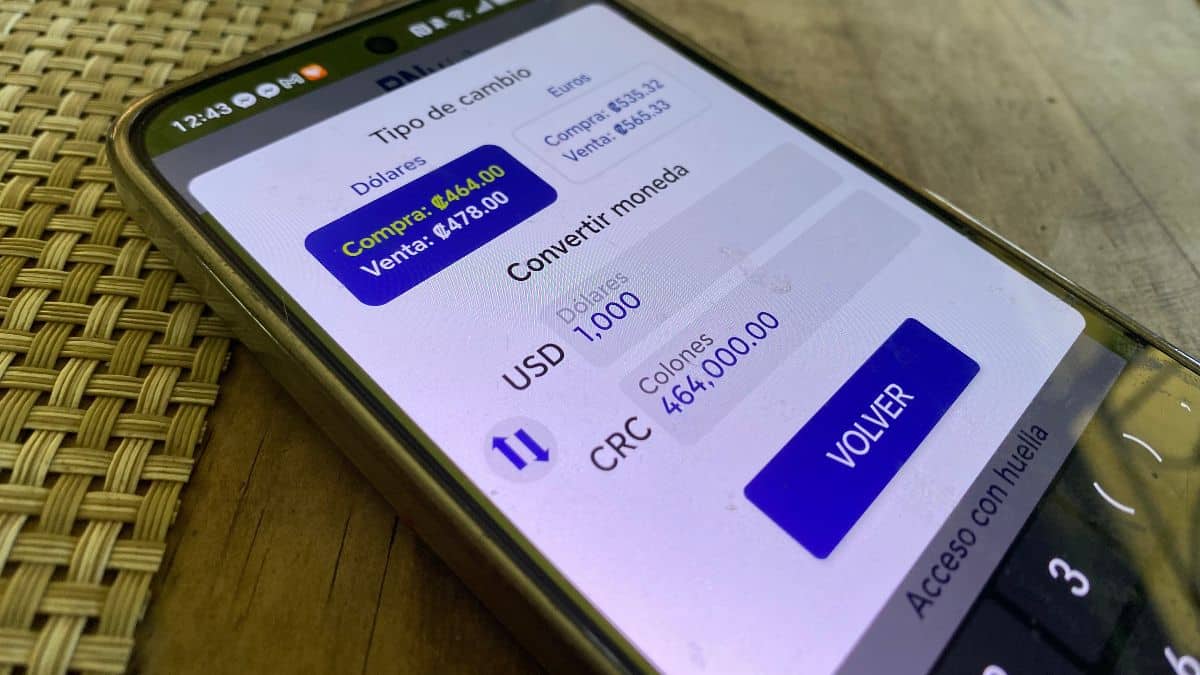
Costa Rica enters peak travel season with a currency riding near two-decade highs. A strong colón brings clear macroeconomic benefits, but tourism leaders warn it is driving up local costs and reducing the value of each dollar spent by visitors. The result is a growing strain on competitiveness and jobs.
December marks the traditional beginning of the high tourist season and this year, Costa Rica heads into 2025/26 under a colón exchange rate stronger than at almost any time in the last two decades. Before anything, it needs point out that many, especially the current government, view a strong colón as a sign of stability. After all, a strong colón keeps import costs lower, reduces inflation pressure, and makes dollar-denominated public or private debt easier to manage. The current administration and central bank officials have publicly embraced this message and have framed the strong colón as evidence of a well managed economy.
But the tourism sector sees a very different reality. International visitor arrivals have fallen compared to last year and that decline in demand has already resulted in over 22,000 job losses across the industry. When fewer visitors spend fewer dollars, the impact reaches every corner of the sector. This is a vulnerability made worse by the strong colón, which reduces the colón value of dollar revenues at the moment when those revenues are most needed.
Canatur’s Warning
Last week, on November 28, Costa Rica’s National Chamber of Tourism (Canatur) issued an alert that the current exchange rate, now at its lowest dollar value in nearly twenty years, is suffocating tourism as the high season begins. Tourism businesses are facing increased staffing costs, higher utility bills, more maintenance and greater supply needs, all paid in colones while much of their revenue arrives in dollars. As Canatur explained, companies are being hit at the precise moment when they must spend more to welcome more visitors.
Canatur says there is a widespread misconception within government circles that has led to the seriousness of the problem being minimized. Executive director Shirley Calvo said the exchange rate “is affecting the operation, competitiveness and financial stability of tourism companies” and stressed the situation is not being fully recognized by decision-makers. She noted that when authorities publicly celebrate the strong colón without acknowledging the consequences, they overlook the reality that “these costs are paid in colones while a significant portion of the sector’s revenue comes in dollars.”
Small Companies Hardest Hit
The chamber highlights that over eighty five percent of tourism businesses are micro and small enterprises, including the types of family hotels, small restaurants, guides and local transport providers that underpin regional employment. Calvo reminded authorities that “tourism is not a sector for large companies,” and that these businesses are already doing everything they can to protect jobs and service quality. Many are working with limited reserves and cannot absorb continued pressure if the exchange rate remains at this level for long.
Calvo also said that the management of the exchange rate “has made Costa Rica more expensive compared to other destinations with which it competes directly,” naming Mexico, the Dominican Republic, Colombia and Panama, where tourism companies receive more local currency for each dollar spent by visitors. The fear is that travelers will simply choose better-value alternatives if nothing changes.
In its conversations with the authorities, the chamber has stressed that tourism is one of the pillars of the national economy and a major generator of rural employment and local development. Yet despite raising concerns from the smallest operations to the largest, Calvo said “we do not feel that the real impact of the exchange rate on the competitiveness of tourism has been recognized.”
Exchange-Rate Strength: Natural or Managed
The Banco Central de Costa Rica maintains that the exchange rate is market-determined under a flexible regime and that intervention is limited to preventing abrupt volatility and meeting foreign-exchange needs of the public sector. Since 2022, the appreciation that took the colón from well above six hundred fifty per dollar into the four hundreds has largely been permitted rather than resisted. Analysts point to increased foreign investment, strong portfolio inflows and a current-account surplus as major factors behind the surplus of dollars in the domestic market. Under these circumstances, the dollar becomes cheaper and the colón strengthens even without direct intervention.
The Central Bank and government authorities have publicly framed this trend as a sign of macroeconomic stability and success. A strong colón reduces the cost of imported goods, helps keep inflation low and lowers the burden of debt repayments that must be made in foreign currency. For policymakers, these are clear political and economic advantages as the country enters an election cycle. At the same time, officials reiterate that there is no fixed target for the exchange rate and that decisions focus on maintaining internal and external stability of the colón.
A Thumb on the Scales?
On the other hand, a widely held view among private sector economists and business leaders is that the current exchange rate has not been left entirely to market forces. They argue that monetary decisions have effectively supported a strong colón even as competitiveness suffers. One prominent voice is PUSC presidential candidate Juan Carlos Hidalgo who says that the Central Bank has tightened conditions intentionally to maintain a stronger currency and keep inflation down. Many in the private sector see this as a policy choice that favors short-term optics over the long-term health of sectors that bring foreign income into the country.
There is also a strong conviction in the tourism industry that the abundance of dollars circulating in the economy is keeping the currency stronger than fundamentals would justify. Whether those dollars originate from foreign investment, financial inflows or less regulated sources, the perception is the same. An economy saturated with foreign currency makes the dollar cheaper and the colón stronger. For foreign-earning sectors, that is a problem. Every dollar a hotel, restaurant or tour operator brings into the country now converts into fewer colones to cover local expenses, payroll and financing commitments.
This debate matters because both sides are correct in part. There are genuine macroeconomic reasons for appreciation. But there are also clear signs that policy tolerance and capital flows, in whatever form they arrive, have pushed the exchange rate to a level that strains Costa Rica’s productive base. The question facing policymakers is whether pride in a strong colón outweighs the impact on the sectors most responsible for generating the foreign revenue that keeps the economy moving.
Why Timing Matters: High Season Under Pressure
High season is normally when the tourism sector regains momentum. More arrivals, stronger spending and fuller occupancy allow businesses to offset those May through November leaner months. December through April is often when hotels and operators generate the liquidity needed to carry them through the year. This time, the timing works against them.
Revenue is already under pressure due to softer visitor demand and reduced spending. Now the strong colón means every dollar of income converts into fewer colones precisely when local costs rise. Seasonal hiring, higher consumption of utilities, maintenance and supply purchases all intensify as visitor numbers build. On top of those expenses, employers must pay the annual aguinaldo in December, a full extra month of salary mostly owed in colones, which significantly increases cash flow needs at the start of the high season.
Many micro and small tourism businesses operate without the financial cushions of larger companies. When high season does not deliver adequate profitability, or even basic coverage of payroll and essential expenses, the remainder of the year becomes harder to manage. For those already weakened by recent job losses and slowing demand, a high season that fails to produce financial breathing room raises the prospect of closures, downsizing and deeper losses in rural employment where tourism is often the primary source of income.
The Stakes for Costa Rica’s Tourism Economy
Tourism’s importance to Costa Rica extends well beyond hotels and tour operators. It supports thousands of small businesses in beach and rural communities where few other industries exist. When foreign-currency earnings lose value in colones and payroll becomes harder to sustain, job losses spread quickly. The impact reaches local suppliers, artisans, restaurants, transport providers and informal workers who depend on a steady flow of visitors.
That is why tourism leaders say this is not a temporary inconvenience, but a growing structural concern. If high season does not deliver sufficient revenue to restore financial stability, many small and medium companies may be forced to reduce operations, delay investment or close entirely. The longer this persists, the more difficult it becomes to maintain service standards and protect Costa Rica’s reputation as a premium destination. A gradual erosion in visitor satisfaction could weaken demand just when the country needs it most.
Tourism chambers and business groups are therefore calling for measures to protect competitiveness while preserving macroeconomic stability. They want a clearer commitment to exchange-rate conditions that do not disproportionately disadvantage foreign-earning sectors. They are also asking for targeted support for micro and small businesses, and recognition that the value of each dollar that arrives in Costa Rica matters for jobs, investment and long-term economic health.
For the sector that generates so much foreign-currency income for the country, the exchange rate is not an abstract policy issue. It directly determines whether businesses can survive, whether communities can continue to rely on tourism for opportunity and whether Costa Rica remains an attractive destination in an increasingly competitive region. The concern now is that the strong colón, while beneficial in some areas of the economy, is creating challenges in the very sector that has helped sustain economic growth for decades.