Cannabis drinks are booming in North America, but can you bring them into Central America? Learn the rules, risks, and what travelers should know before packing THC beverages.
Cannabis-infused drinks are becoming increasingly difficult to ignore in North America. THC seltzers, cannabis-infused teas, and other non-alcoholic cannabis beverages are now sold openly and legally in supermarkets, liquor stores, bars, and convenience stores across many states. What was once a niche cannabis product has quickly become a mainstream alternative to alcohol.
Part of the appeal is that these drinks offer a different experience from both smoking weed and drinking alcohol. They come marketed as a lower-calorie, smoke-free option for people looking to relax or socialize. As Gen Z and younger millennials drink less alcohol than previous generations, these products are now one of the fastest-growing segments of the North American cannabis industry.
Their growing popularity also creates confusion for travelers. Because many cannabis drinks look no different from sparkling water or soda, some people assume they can bring them on vacation just as they would any other beverage. If you’re planning a trip to Central America, it’s important to understand that cannabis-infused drinks are not treated the same way they might be at home. So before you toss a few THC seltzers into your luggage, it’s worth understanding the rules.
What Are Cannabis Drinks and Why Are They Becoming Popular?
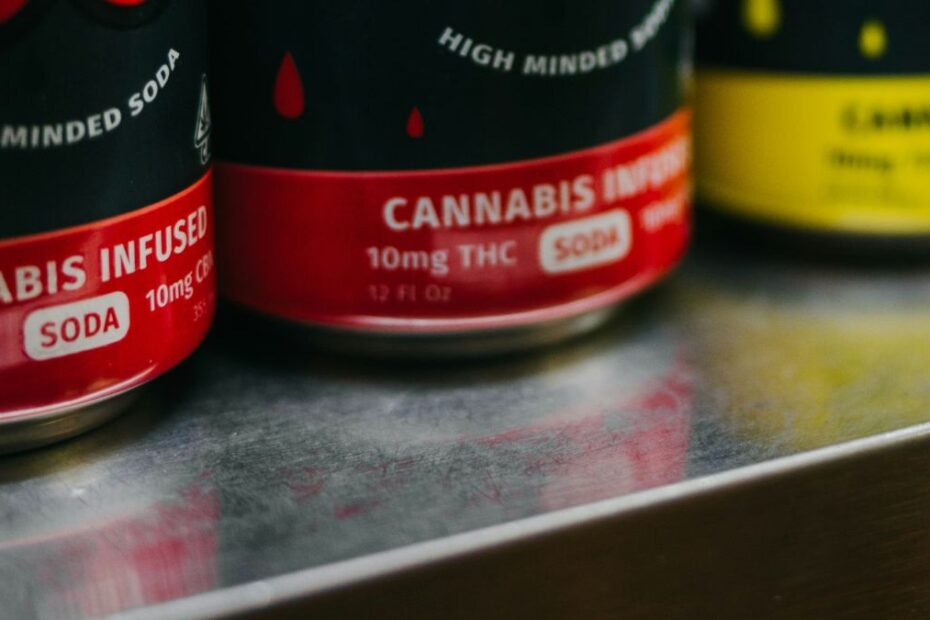
Cannabis drinks are non-alcoholic beverages infused with cannabinoids like THC or CBD. The most common products are THC-infused seltzers, although cannabis teas, sodas, mocktails, and other drinks are becoming increasingly common in parts of North America.
Unlike traditional cannabis products, these drinks are designed to fit into social settings where alcohol has traditionally dominated. Consumers of, for example, Crescent Canna THC drinks treat these products less like cannabis and more like a different category of adult beverage. Many brands also emphasize predictable dosing, making it easier for users to understand exactly how much they are consuming.
As already mentioned, many younger adults drink less alcohol. They’re looking for alternatives that better align with health and wellness trends.
The result is a rapidly growing industry that has moved far beyond dispensaries. That growing visibility is one reason why more travelers are beginning to ask whether they can bring cannabis-infused beverages with them to Central America.
Can You Bring Cannabis Drinks Into Central America?
The short answer is no.
Cannabis-infused drinks containing THC may be legal where you live, but that doesn’t mean they can be legally brought into another country. International travel operates under the laws of the destination country, not the place where a product was purchased.
This is where many travelers get caught out. Five or ten years ago, most people understood that bringing marijuana across an international border was a bad idea. Today, someone buys a THC-infused seltzer from a grocery store and genuinely doesn’t think of it as a cannabis product.
The problem is customs officials are unlikely to see the distinction. Whether THC comes in a gummy, a vape cartridge, a bottle of oil, or a can of sparkling water is irrelevant. What matters is that the product contains a cannabis-derived compound and that’s illegal.
Cannabis laws vary across Central America. Some countries have legalized medical marijuana. Others permit certain CBD products. Belize and Costa Rica have decriminalized recreational marijuana to varying degrees. But cannabis-infused beverages containing THC are not a mainstream legal retail product anywhere in the region.
Some travelers will point out that people cross international borders every day carrying products they shouldn’t. That may be true. But there’s a big difference between something being legal and something simply going unnoticed.
What Happens If You’re Caught With Cannabis Drinks?
The answer depends on the country, the circumstances, and the discretion of the customs officials involved.
In countries like Costa Rica and Belize, which generally take a slightly more tolerant approach to cannabis-related issues than some of their neighbors, authorities may view a few cans of THC-infused beverages differently than they would a large quantity of cannabis products intended for sale. Confiscation of the drinks would likely be the most common outcome for a traveler carrying a small amount for personal use.
However, travelers should not mistake that for a guarantee. Customs officers have significant discretion, and bringing THC products into a country where they are illegal is still risky. Confiscation is one possible outcome, but it isn’t the only one. The risks are greater elsewhere in the region. El Salvador, Guatemala, Honduras, Nicaragua, and Panama take a much stricter approach to cannabis-related products.
The important thing to remember is that customs is not the place to test legal grey areas. At best, you could lose the products and start your trip with an uncomfortable conversation at the airport. At worst, you could face delays, questioning, denied entry, or legal problems that are far more disruptive than simply leaving a few drinks at home.
Cannabis Drinks vs CBD Drinks
One area that causes considerable confusion is the difference between THC-infused cannabis drinks and CBD drinks. THC is the compound responsible for the high associated with marijuana, while CBD is non-intoxicating and is used for wellness purposes like relaxation, sleep support, or pain management.
This distinction matters because some Central American countries treat CBD products very differently from products containing THC.
Costa Rica, for example, loves its CBD products nowadays. You’ll find CBD oils, creams, supplements, and pet products in pharmacies, health food stores, veterinary clinics, and other retailers throughout the country. Belize is also relatively CBD-friendly. The rest of the region? Not so much. CBD products are available in Panama with a doctor’s prescription, but everywhere else, they’re as much of a no-no as weed is.
One of the biggest misconceptions among travelers is assuming that because CBD products are legal somewhere, then all cannabis-derived products must also be acceptable. That’s not the case. A traveler who can legally buy CBD products in Costa Rica shouldn’t assume they can also bring a THC-infused seltzer from the United States. The two products are not viewed the same way.
Can You Legally Buy Cannabis Drinks in Central America?
For now, the answer is no.
While cannabis drinks are now pretty common in parts of the United States and Canada, they have not followed the same path in Central America. Travelers should not expect to find THC-infused seltzers, cannabis sodas, infused teas, or similar products on the shelves of supermarkets, convenience stores, liquor stores, pharmacies, bars, or restaurants.
The bottom line is that cannabis laws across Central America are far more restrictive than in many parts of North America. Even in countries with legalized medical marijuana or CBD products, recreational cannabis products remain outright prohibited.
That doesn’t mean zero cannabis-related products in the region. CBD products are widely available in Costa Rica and Belize. Medical marijuana frameworks exist in Costa Rica and Panama, while Belize has decriminalized small amounts of marijuana for personal use on private property.
Wrapping Up
To hammer things home, cannabis drinks may now be normal in parts of the United States and Canada, but Central America is a very different environment. For travelers, the safest approach is to leave cannabis drinks at home and familiarize yourself with the laws of the country you’re visiting before you travel.
As cannabis laws continue to evolve around the world, it’s possible – even probable in some countries – that attitudes toward cannabis drinks in Central America will eventually change. But for now, however, travelers should assume that THC-infused drinks are treated as cannabis products and plan accordingly.