How renting a car in Panama works, including license rules, insurance, costs, the Panapass toll system, booking tips, and what to expect on the road.
Renting a car in Panama isn’t really as common for tourists as it is next door in Costa Rica or elsewhere in the region. That’s our perception, at least. After all, travelers often split their time between Panama City and various island communities, making cars largely unnecessary. They tend to fly between regions of the country rather than get out onto the road and drive, and before they do that, who wants to spend their time stuck in Panama City traffic?
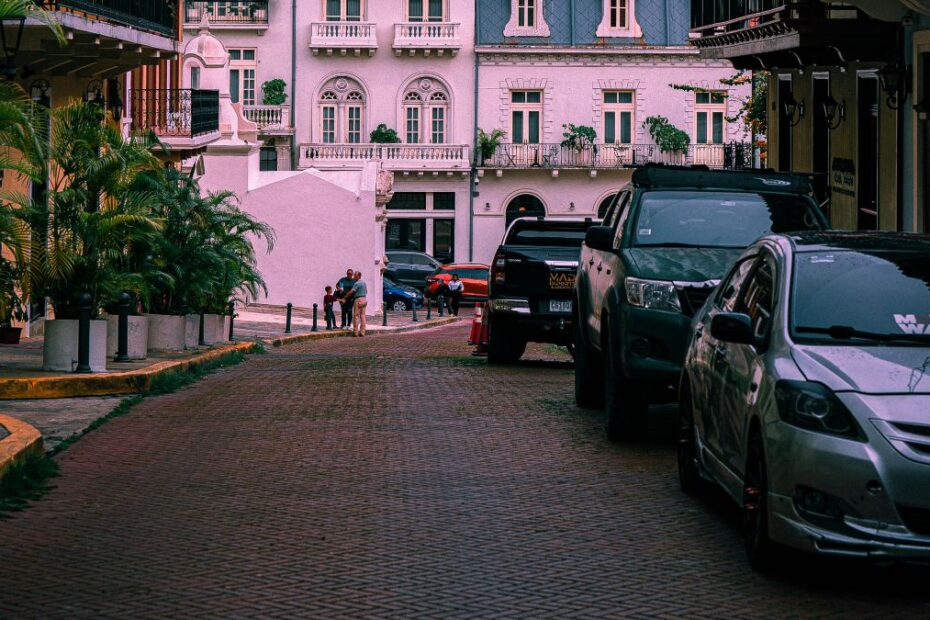
While not as bad as other Central American capitals, the traffic in PTY isn’t good either. And with taxis and ride-hailing apps everywhere, not to mention the metro, you really don’t need a car in the main place that tourists spend time in (unlike the rest of Central America, where tourists tend to get out of the capital, Panama City is the main draw).
Outside the city, though, renting a car makes a much bigger difference, especially if you’re not flying to Bocas del Toro, the Pearl Islands, or the San Blas Archipelago. The Pacific beaches west of the capital, the Azuero Peninsula, and the Chiriquí highlands around Boquete are all easy to reach and great fun to explore with your own vehicle. The roads are good and it beats the bus.
Basic Requirements
Tourists can drive in Panama on their home license for 90 days, counted from their most recent entry stamp. For most nationalities, that matches the length of the stay. U.S. and Canadian citizens are the exception. They can stay for 180 days, but the driving limit is still 90. Bring the physical card, because rental counters don’t accept photocopies or digital licenses. An international driving permit is optional and doesn’t replace your actual license.
Age rules depend on the company. The big international brands set the minimum at 25 for every vehicle, although some will rent most categories to 23 and 24-year-olds for an extra daily fee. A few companies rent to drivers as young as 18, with a young driver surcharge until 25. Some also cap the age at 69 or 70, so older drivers should check before booking.
At the counter, you’ll need your passport, your license, and a credit card in the main driver’s name for the deposit. Debit cards and cash are generally not accepted.
Insurance Requirements When Renting a Car in Panama
If you’ve ever rented a car in Costa Rica, Panama’s insurance will come as a relief. Costa Rica’s mandatory liability coverage is always charged separately and can seriously increase the overall price of a rental. Panama has the same basic requirement, with less confusion.
Third-Party Liability
Every vehicle on the road in Panama has to carry basic third-party liability insurance by law. It covers injuries and damage you cause to other people and their property. It doesn’t cover the rental car, you, or your passengers. Some companies build it into the rate, and others charge it daily at the counter, at around $20 a day plus tax. Either way, you can’t decline it, and liability coverage bought through a third-party booking site generally isn’t accepted in its place. The coverage is also basic, with limits as low as $10,000, so some companies sell supplemental liability on top.
Collision Damage Waiver
The collision damage waiver covers damage to or theft of the rental car itself, with a deductible that can run as high as $3,500 depending on the vehicle class. It excludes the usual things, such as hitting a fixed object, hit-and-run incidents, and rollovers that don’t involve another vehicle, and you’ll need a police report to make a claim. Some companies won’t let you decline it for pickups, vans, and premium SUVs.
For other vehicles, you can usually decline the waiver if your credit card includes rental car coverage and you bring written proof from the issuer that it applies in Panama. Card coverage never replaces the liability insurance, and declining the waiver has knock-on costs. The hold on your card goes up, at one company from $2,000 to $5,000 for a standard car, and some companies tie discounts on liability to buying their waiver.
Full Protection Packages
Full protection packages bundle the waiver, liability, and tire and windshield cover, and reduce the deductible to zero for most damage, although a theft deductible may still apply. Is it worth it? Depends how much you’d mind paying $3,500 if someone dings the car in a parking lot.
What a Rental Car Costs in Panama
Base rates on comparison sites average around $20 a day for a small car before insurance. December is the most expensive month, at about $26.40 a day, and May the cheapest, at about $17.44. A 7% sales tax goes on top, plus liability insurance where the company doesn’t include it.
The usual extras are charged by the day:
- Young driver surcharge: $5 to $12.99 a day, depending on the company
- Additional driver: around $5 a day
- Child seat: around $3 a day
- GPS unit: around $5 a day, although your phone does the job for free
- After-hours pickup or return: around $25, where it’s offered at all
Fuel works on a full-to-full basis. Bring the car back with less than you started with, and you’ll pay a price per gallon higher than local fuel prices, plus a 50% surcharge at some companies. One-way rentals are possible, but they have to be booked in advance and come with a one-way charge.
The deposit goes on your credit card as a hold when you pick up the car. At one major brand, it’s around 30% of the rental cost with a minimum of $300 for economy and compact cars, and a minimum of $500 for midsize and above. It’s higher if you decline the collision waiver. Ask how long the hold takes to clear after you return the car, since it ties up part of your credit limit until then.
Tolls and the Panapass
Panama City has three urban expressways, which locals call corredores, or corridors: the Corredor Norte, the Corredor Sur, and the Corredor Este. They’re the fastest way across the city and the main routes to and from Tocumen International Airport. All three are toll roads run by the Empresa Nacional de Autopista, or ENA, which manages the state-owned highways built across the country.
The corridors use 100% electronic tolling, with no cash payment option at all. Payment goes through the Panapass, a sticker on the windshield linked to a prepaid account. Each time the car passes a toll plaza, the toll comes off the account balance. Panamanian drivers have the sticker installed, which costs $10, and top up their balance online or through ENA’s app.
How it Works with a Rental
Since you can’t pay at the booth, the rental car needs a working Panapass. Most rental cars come with one already fitted. Check that yours has one before you drive off, and ask how tolls are billed. Some companies include tolls in the daily rate, while others bill per use with an administrative fee. The drive into the city on the Corredor Sur or Norte typically costs $3 to $8 in total, depending on the route and the number of toll plazas.
If the sticker’s missing or the account’s empty, don’t panic. The barrier still goes up, since ENA has to let drivers through even without a balance. But the traffic authority fines the driver $10 each time they pass a toll plaza without a balance, and the account goes into a negative balance. In a rental car, both land on the rental company, which will pass them on to you.
The highway to Colón on the Caribbean side of the Canal works differently. The stretch from Madden toward Colón accepts cash only, and the Panapass doesn’t work on it.
How to Book a Rental Car in Panama
You can book directly with a rental company or through a comparison site like DiscoverCars. Comparison sites show rates from several companies side by side, which makes it easier to see the range before you commit. The widest choice is for car rental in Panama City. Booking direct makes sense if you have loyalty status with a particular brand or want to deal with one company from start to finish.
Most visitors pick up at Tocumen International Airport. The main brands have counters in Terminal 1, and travelers arriving into Terminal 2 often have to transfer to T1 sort out their rental. City offices can be cheaper and save you driving out of the airport straight after a flight, but their hours are shorter.
Book well ahead for December and for Carnival, which starts the Saturday before Ash Wednesday (normally in February or early March) and goes on for four days, during which time a lot of locals leave town. People also head out of town during Christmas and Easter, and rental cars for these times book up far in advance.
Before you confirm, check three things: whether the pickup counter is in the terminal or off-site, what the fuel policy is, and what the cancellation terms are. It’s all in the booking details, and it’s a lot easier to read them at home than argue about them at the counter after a long flight.
Vehicle Choice, Road Conditions, and Driving Culture
Panama has the best roads in Central America, and a standard sedan works for most of the country. A 4×4 or a high-clearance SUV is worth paying for in a few situations, for example if you’re a surfer exploring remote beaches. And if you’re heading out to Darién, where the Pan-American Highway runs out, don’t do it in a little economy car. It’s remote, and there’s not much out there if something goes wrong. In the rainy season, flooding and landslides can close rural roads with little warning.
As discussed, we don’t recommend driving in Panama City. If you’re renting a car in Panama, it should be to get out and explore the country, not sit in pointless city traffic jams.
Road Rules
Police checkpoints are common on the Pan-American Highway. Officers ask for your license and passport and check the entry stamp, so keep your passport with you rather than in the hotel safe. Speed limits are typically 40 to 48 km/h in urban areas and up to 100 km/h on highways, and the traffic authority places signs before camera-controlled stretches warning drivers that they’re approaching one. Common fines include $75 for talking on the phone while driving, $75 for not wearing a seatbelt, and $100 for transporting minors without a child seat.
As in the rest of Central America, we don’t recommend driving at night in Panama, especially if you’re new to the region. Short trips after dark to and from the airport are fine, but longer rural drives are easier and safer in daylight, even on the Pan-American Highway. Towns are full of speed bumps and plenty of them are unmarked. Panama has a zero-tolerance policy on drunk driving.
If you have an accident, call the rental company straight away and wait for the police. Your coverage depends on a police report, so don’t agree to settle anything privately at the roadside. Take photos of the scene and both vehicles while you wait.
Anyone on a Central American road trip should know that Panama rental cars stay in Panama. You can’t cross international borders in a rental car, which rules out driving into Costa Rica, the only neighbor you can reach by road. If your trip continues into Costa Rica, you need to return the car on the Panama side, cross the border on foot, and pick up a new rental on the other side.
Before You Drive Off
Take 10 minutes at the rental lot before you leave. Walk around the car and film it on your phone, getting close on every scratch, dent, and scuff, plus the windshield and the wheels. Check that the fuel level matches what’s on the paperwork, that there’s a spare tire and a jack in the trunk, and that the Panapass sticker is on the windshield. Anything the agent hasn’t already marked should go on the form before you sign.
Return the car during staffed hours if you can, and don’t leave until someone has inspected it and signed it off. If you drop it off when the office is closed, any damage they find later is your word against theirs.
Renting a car in Panama is easy and it’s one of the best countries in Central America to drive in. If your trip is Panama City and islands like Bocas del Toro, skip it. If you want to see the rest of the country, a rental car is the way to do it.