Planning a trip through the region? Our guide to border crossings in Central America covers what to expect, what to pay, and which routes to avoid.
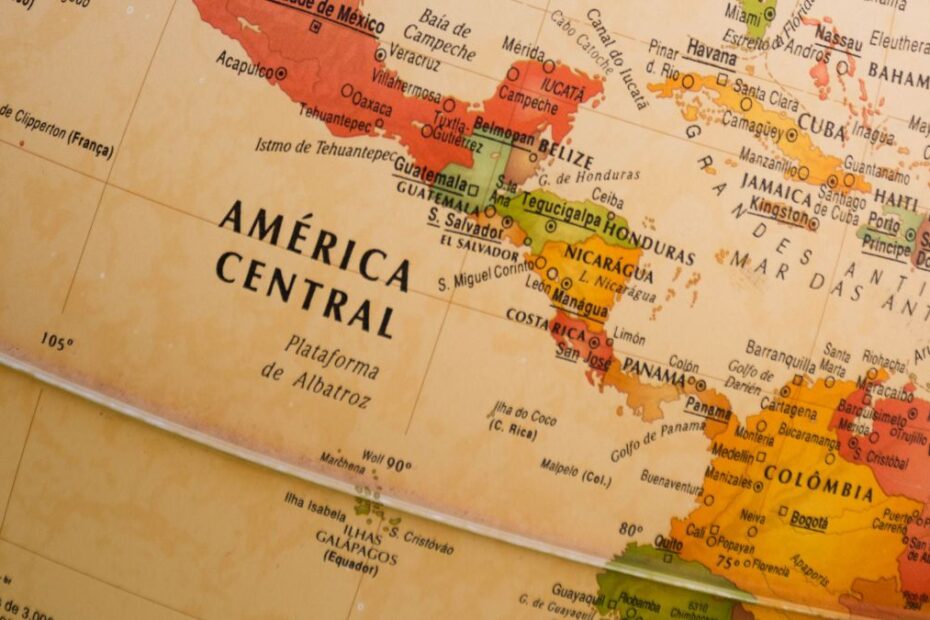
When you look at a map, Central America is a set of seven small countries stacked between two much larger ones. Mexico alone is almost four times the size of Central America, while Colombia is roughly twice as large. In other words, we’re talking about tiny countries.
You can explore each country individually, of course, and plenty of people do. But if you’re on a border-hopping viaje, collecting passport stamps and experiencing several countries in a relatively short time, Central America is one of the best regions in the world for it.
Crossing a border generally means getting stamped out of one country, passing through customs, and getting stamped into the next. Simple enough in theory, but depending on where you cross, you might be through in a few minutes or stuck there for most of the day. This guide covers nine international borders, starting with Mexico and working south. We’ll look at the main crossings, what to expect at each, and which are easiest or best avoided.
Before You Cross
Whichever border you’re heading for in Central America, it helps to sort out a few things first.
- Have proof of onward travel. Immigration officers may ask to see a bus or plane ticket showing that you’re leaving the country. Costa Rica and Panama ask most often, and travelers without proof have been made to buy a ticket on the spot.
- Understand the CA-4 agreement. Guatemala, El Salvador, Honduras, and Nicaragua share a 90-day tourist allowance. If you’re given 90 days when you enter one of them, that time covers all four, and crossing between them doesn’t reset the clock. You can apply for an extension if you need longer, or leave the CA-4 area and return, although a fresh 90 days isn’t guaranteed.
- Sort out your phone. You might need it to show an onward ticket, contact a shuttle driver, or find transport on the other side. If you’re visiting several countries, a regional eSIM saves you buying a new SIM card at each border. You can set it up before traveling, so you’re connected when you arrive. Check out this guide to understanding what an eSIM is if you’re new to the concept.
- Carry cash. Most border fees are cash only, and card machines don’t always work. Bring small US bills and some local currency. Each border section below explains what you’ll pay.
- Ignore the “helpers”. At many crossings, people will offer to guide you through immigration for a fee. You don’t need them. If anyone asks for a charge that isn’t an official fee, request a receipt. That often ends the conversation.
- Arrive early. Several crossings close at night, and some close in the late afternoon. Lines get longer around holidays. Watch the time zones too: Panama is an hour ahead of Costa Rica, and Mexico’s Quintana Roo is an hour ahead of Belize.
Mexico and Belize
The border between Mexico and Belize follows the Río Hondo, and there’s effectively only one place to cross it: Subteniente López, a village about 12 kilometers outside Chetumal, the capital of Quintana Roo. The Belize side is Santa Elena, near Corozal Town. A second crossing further west, between La Unión in Mexico and Blue Creek Village in Belize, is remote, and sources disagree about whether it’s open to international travelers.
Two bridges cross the river at Subteniente López. The old Río Hondo bridge closed in 2026 for a complete rebuild, and immigration and customs moved to the newer Chac-Temal bridge nearby. Check whether the old bridge has reopened before you travel, but for now, the Chac-Temal bridge is where you’ll get your stamps.
The crossing is generally straightforward, with buses and shuttles running between Chetumal and Belize City. The Corozal Free Zone, a large duty-free shopping area on the Belize side, is right beside the border and attracts plenty of shoppers from Mexico.
Non-residents leaving Belize by land pay BZ$40 (US$20). Mexico’s non-resident fee is 983 pesos (about US$53) in 2026, rising to 1,158 pesos (around $62) in 2027. You don’t pay it if you entered Mexico by land and stayed less than seven days. If you flew into Mexico, it’s usually included in your airfare, so keep your proof of payment.
Our verdict: Easy. A modern, straightforward crossing with no advance paperwork. Budget for Belize’s exit fee and Mexico’s fee if applicable.
Mexico and Guatemala
Mexico and Guatemala share a long border with eight official crossing points. Seven are in the Mexican state of Chiapas, while El Ceibo is in Tabasco.
The four crossings listed below are the main routes for international travelers:
- Ciudad Hidalgo–Tecún Umán (Rodolfo Robles Bridge): Near Tapachula on the Pacific coast. One of the busiest crossings between the two countries.
- Ciudad Cuauhtémoc–La Mesilla: On the Pan-American Highway, connecting San Cristóbal de las Casas with Guatemala’s western highlands.
- Talismán–El Carmen: Near Tapachula, a short distance inland from Ciudad Hidalgo.
- El Ceibo: On the Tabasco–Petén border, connecting Palenque with Flores and Tikal.
The other four crossing points see much less international tourist traffic:
- Ciudad Hidalgo–Tecún Umán (Luis Cabrera Bridge): A second bridge between Ciudad Hidalgo in Mexico and Tecún Umán in Guatemala, used mainly for commercial freight.
- Carmen Xhan–Gracias a Dios: Between eastern Chiapas and Guatemala’s Huehuetenango department.
- Nueva Orizaba–Ingenieros: Between far eastern Chiapas and Guatemala’s Quiché department.
- Frontera Corozal–Bethel: A river crossing on the Usumacinta, between Chiapas and Guatemala’s Petén department.
The main concern is security around Ciudad Cuauhtémoc–La Mesilla, where organized crime has made travel through parts of the border region dangerous. We’d avoid this crossing for now. Ciudad Hidalgo–Tecún Umán and Talismán–El Carmen are established routes, but check current security conditions before traveling through southern Chiapas.
El Ceibo is generally the easiest option if it suits your route. It’s a modern, relatively quiet crossing where immigration usually takes around an hour. Daily shuttles connect Palenque with Flores, making it particularly useful for travelers visiting Tikal.
Guatemala charges nothing to enter or leave, although officials sometimes ask for an unofficial fee. If that happens, request an official receipt. Mexico’s non-resident fee, explained in the previous section, also applies here.
Our verdict: Easy at El Ceibo. Avoid La Mesilla if possible. El Ceibo is straightforward and generally hassle-free. The other crossings may suit different routes, but check security conditions before traveling through Chiapas.
Belize and Guatemala
There’s only one legal crossing between Belize and Guatemala: Benque Viejo del Carmen on the Belize side and Melchor de Mencos on the Guatemalan side, on the road between San Ignacio and Flores. A second crossing at Jalacte, in Belize’s southern Toledo District, has been discussed by the two governments but isn’t open to international travelers.
The crossing is generally straightforward. It’s about 3 kilometers from Benque Viejo, so independent travelers usually take a taxi to the border. On the Guatemalan side, the Melchor de Mencos bus terminal is a short walk away, with colectivos continuing to Santa Elena, near Flores. Direct buses and shared shuttles also connect Belize City with Flores.
This is also a popular crossing for day trips to Tikal from San Ignacio. Expect tour groups heading into Guatemala in the morning and returning in the late afternoon. If you’re taking an organized tour, the operator will guide you through the border formalities.
Non-residents leaving Belize by land pay a US$20 exit fee, including day trippers visiting Tikal. Tours don’t always include this charge, so bring cash. Neither country charges an entry fee, and Guatemala has no exit fee. Officials at Melchor de Mencos sometimes request an unofficial payment, but asking for a receipt will often put a stop to that.
Our verdict: Easy. A straightforward, well-run crossing with good transport connections. Just remember Belize’s US$20 exit fee, even if you’re only visiting Tikal for the day.
Guatemala and El Salvador
Guatemala and El Salvador have four official border crossings:
- Valle Nuevo–Las Chinamas: On the main road between Guatemala City and San Salvador. This is the busiest crossing and the route used by international buses.
- Pedro de Alvarado–La Hachadura: Near the Pacific coast, offering a more direct route to El Salvador’s surf beaches.
- San Cristóbal: An inland crossing connecting Guatemala’s Jutiapa department with western El Salvador. It’s less busy and useful for travelers heading toward Santa Ana.
- La Ermita–Anguiatú: Near Metapán in northern El Salvador. A quieter alternative, particularly for travelers moving between eastern Guatemala and the Santa Ana region.
All four crossings are open 24/7, although customs schedules can differ so travelers taking vehicles across should check the relevant customs hours. Neither country charges an entry or exit fee for land travelers. Because both countries belong to the CA-4 agreement, crossing between them doesn’t reset your permitted stay. You’ll still need to complete immigration formalities on both sides.
Our verdict: Easy. All four are established crossings. Valle Nuevo–Las Chinamas and Pedro de Alvarado–La Hachadura are the most convenient for the main international routes, while San Cristóbal and La Ermita–Anguiatú offer quieter alternatives for travelers heading toward western and northern El Salvador.
Guatemala and Honduras
Guatemala and Honduras have three official crossings:
- El Florido: This is the main crossing for travelers from Guatemala visiting Maya ruins at Copán.
- Corinto: On the Caribbean, between Puerto Barrios in Guatemala and Puerto Cortés and San Pedro Sula in Honduras.
- Agua Caliente: Near Esquipulas, on the road into western Honduras. It’s mostly used by trucks and local traffic.
Like the border between Belize and Guatemala serving Tikal, much of the traffic at El Florido is heading to the Mayan ruins of Copán, either for a day trip or an overnight stay. Shared shuttles run from Antigua and Guatemala City, stopping at the border while passengers clear immigration. The crossing is usually quick, but both El Florido and Corinto close at night, so plan to cross during the day.
Corinto has improved considerably in recent years. Older reports describe long delays, but recent travelers say the immigration offices are side by side and the crossing takes only minutes.
Guatemala charges nothing to enter or leave. Honduras charges a US$3 entry fee, payable in cash in dollars or lempiras, but nothing to leave. Citizens of other Central American countries are exempt. Keep your receipt until you leave Honduras, since officials have sometimes asked travelers to pay again, and make sure your passport is stamped.
Our verdict: Easy. El Florido and Corinto are both generally quick crossings. Use El Florido for Copán and Corinto for the Caribbean coast.
El Salvador and Honduras
El Salvador and Honduras have four official border crossings:
- El Amatillo: In the east, between La Unión in El Salvador and Goascorán in Honduras. It’s the busiest crossing and the route most international buses take between El Salvador and Nicaragua.
- El Poy: In the north, between Chalatenango and Ocotepeque. It’s quieter than El Amatillo and the more direct route between San Salvador and western Honduras.
- Perquín–La Concordia: In the mountains of Morazán in eastern El Salvador, on the route toward Marcala in Honduras.
- Puente Integración–Mapulaca: Between Cabañas in El Salvador and Lempira in Honduras.
El Amatillo and El Poy are open 24 hours. El Amatillo has improved considerably in recent years, although long lines are still common during holidays. El Poy sees much less traffic, and crossings are generally quick.
The other two crossings mainly serve local communities. Both are remote, with limited public transport and some rough roads. Mapulaca operates 24 hours, while Perquín–La Concordia closes in the evening. If you’re driving, check that customs can process your vehicle before using either crossing.
El Salvador charges nothing to enter or leave by land. Honduras charges a US$3 entry fee for most foreign visitors, but no exit fee. Keep your receipt and make sure your passport is stamped.
Our verdict: Easy at El Poy. Manageable at El Amatillo. El Poy is generally quieter, while El Amatillo is the main international route but can get congested. Perquín–La Concordia and Puente Integración–Mapulaca are more practical for travelers already in those areas with their own transport.
Honduras and Nicaragua
Honduras and Nicaragua have four border crossings, although only three are practical for most travelers:
- Guasaule: Near the Pacific coast, between Choluteca in Honduras and Chinandega in Nicaragua. It’s the most direct route between El Salvador and León, used by many international buses.
- El Espino–La Fraternidad: On the Pan-American Highway, near Somoto in Nicaragua. It’s the route toward Estelí and Managua.
- Las Manos: Further east, between Danlí in Honduras and Ocotal in Nicaragua. It’s the quickest route between Tegucigalpa and northern Nicaragua.
- Leimus: In the remote Mosquitia region on the Caribbean side. It’s not a practical crossing for most international travelers.
Try to avoid Guasaule if you can, or at least know in advance that it’s a pain. The place is overrun with unofficial helpers who hassle you to handle your paperwork. Doing your own customs paperwork there is close to impossible, because these guys have taken over the process and charge every traveler. Bus passengers often wait two to three hours. El Espino and Las Manos are calmer, but whichever you choose, Honduras closes its side at night, so plan to cross during the day.
At all three crossings, Nicaragua’s entry rules are the bigger hassle. Bottom line is Nicaragua requires foreign travelers crossing by land to complete a free online entry form, preferably at least seven days before traveling. Citizens of many countries also need advance approval, so check the requirements for your nationality before leaving.
Expect to pay about US$14 in cash to enter Nicaragua, made up of a US$10 tourist card, a US$3 immigration fee, and US$1 to the local municipality. The US$3 immigration fee is charged again when you leave. Honduras charges a US$3 entry fee, payable in US dollars or lempiras, and nothing to leave. Citizens of other Central American countries are exempt.
Our verdict: Manageable at El Espino and Las Manos. Difficult at Guasaule. None of these crossings is easy, because Nicaragua’s advance form and fees apply wherever you cross. El Espino and Las Manos are the better choices. Guasaule’s middlemen and poor facilities make it the hardest crossing on this border.
Nicaragua and Costa Rica
Nicaragua and Costa Rica have two official crossings:
- Peñas Blancas: On the PanAmerican Highway, this is the main crossing between the two countries, and the one the international buses between San José and Managua use.
- Las Tablillas–San Pancho: Located near Los Chiles in Costa Rica’s northern lowlands, on the road toward San Carlos and Lake Nicaragua.
Peñas Blancas is one of the busiest land crossings in Central America, and its waits are hard to predict. It can take less than half an hour or most of a day, depending on the time of year and how many buses are ahead of you. Holidays are the worst. Thousands of Nicaraguans living in Costa Rica head home for Christmas and Easter, with lines stretching for miles. Neither side is open around the clock.
Las Tablillas is far quieter. Travelers describe it as smooth, with little or no line, and it’s the easier way into Nicaragua if your route allows it. It closes in the late afternoon, though, and it’s a long way from the Pan-American Highway. Los Chiles is a few kilometers from the border on the Costa Rican side, and colectivos run between the Nicaraguan side and San Carlos. The only issue is that San Carlos itself is remote, stuck on the other side of Lake Nicaragua, which is impractical if you’re heading to places like San Juan del Sur, Granada, Managua, or León.
The paperwork is the same at both crossings. Costa Rica charges nothing to enter, and one fee of US$8 to leave by land. Pay it in advance online or at any Banco de Costa Rica branch, since the payment points at the border are often out of service. When you enter Costa Rica, expect to show proof of onward travel (a bus or plane ticket out of the country).
For Nicaragua, the form and fees are the same as at the Honduran border: submit the online form at least a week ahead, and expect to pay about US$14 to enter and US$3 to leave.
Our verdict: Manageable at Las Tablillas. A headache at Peñas Blancas. Nicaragua’s form and fees apply at both, so neither is easy. Las Tablillas is quiet and quick once you get there. Peñas Blancas is slow and unpredictable, and best avoided altogether during holidays.
Costa Rica and Panama
Costa Rica and Panama have three official crossings:
- Paso Canoas: The busiest crossing between the two countries, on the Pan-American Highway between southern Costa Rica and Panama’s Chiriquí province. International buses between San José and Panama City use it.
- Sixaola–Guabito: On the Caribbean side, between Puerto Viejo in Costa Rica and Bocas del Toro in Panama. It’s the main route for travelers heading to or from the Bocas del Toro islands.
- Río Sereno: A quieter crossing in the highlands between San Vito in Costa Rica and Panama’s Chiriquí province, on the route toward Volcán and Boquete.
Paso Canoas is a busy, confusing place to cross. The border runs through the middle of a sprawling duty-free shopping town. In 2024, Costa Rica opened a large new control center for traffic entering the country, some four kilometers back from the actual border, and Panama has been building its own. The layout still confuses travelers. Panama also checks paperwork closely at Paso Canoas, and the crossing can be slow when several buses arrive together.
Sixaola–Guabito is smaller and calmer, and it’s the natural choice if you’re traveling between Costa Rica’s Caribbean coast and Bocas del Toro. You cross the Sixaola River on foot over a bridge, clearing immigration on either side. It closes in the late afternoon, though, and both countries enforce their onward-travel rules there.
Río Sereno is the quietest of the three. If your documents are in order, the crossing is quick, and buses run regularly between San Vito and the border. Its hours are limited, so arrive in the morning.
The rules are the same at all three crossings. Costa Rica charges nothing to enter and US$8 to leave by land. Pay the exit fee in advance online or at a Banco de Costa Rica branch. Panama charges no entry fee, but you’ll need to show a ticket out of Panama and proof of at least US$500, which can be cash, a credit card, or a bank statement. Panama reportedly charges US$3 to leave by land. Panama is an hour ahead of Costa Rica, so allow for the time difference when checking closing times.
Our verdict: Easy at Río Sereno. Manageable at Sixaola–Guabito. Difficult at Paso Canoas. Río Sereno is the quickest if it suits your route, and Sixaola is fine for the Caribbean coast if you arrive early. Paso Canoas is busy, confusing, and slow, so use it only if you’re on a direct bus.
Panama and Colombia
There’s no land crossing between Panama and Colombia. The Pan-American Highway stops at Yaviza in eastern Panama and starts again at Turbo in Colombia, about 106 kilometers away. In between is the Darién Gap, a stretch of roadless jungle, swamp, and mountains along the border. Armed groups and smugglers have used it for decades, and nobody has any business crossing it as a tourist.
So the overland route through Central America ends in Panama. Most people heading south into Colombia either fly or take a multi-day sailing trip run between Panama and Cartagena through the San Blas Islands. It’s also possible to travel by boat along the Caribbean coast to Capurganá, a small Colombian town just across the border from Panama. If you’ve been driving, your vehicle has to be shipped across, usually in a container between Colón and Cartagena, and it can be two weeks before you have it back.
Our verdict: Not possible. Plan to fly or take a boat.
Central America’s Border Crossings Ranked: Hardest to Easiest
So which border crossings are the biggest headaches, and which are relatively painless? Based on the paperwork, waiting times, facilities, security, and general hassle involved, here’s how we’d group the main crossings covered in this guide, starting with those we’d rather avoid.
Avoid if possible
- Ciudad Cuauhtémoc–La Mesilla (Mexico–Guatemala): Security concerns involving organized crime make this one worth avoiding, especially when El Ceibo offers a safer alternative.
- Guasaule (Honduras–Nicaragua): Long waits, poor facilities, and unofficial middlemen hassling travelers make this one of the most frustrating crossings in the region.
Expect a headache
- Peñas Blancas (Nicaragua–Costa Rica): One of Central America’s busiest crossings, with unpredictable waiting times that can stretch into hours, especially around holidays.
- Paso Canoas (Costa Rica–Panama): Busy, confusing, and potentially slow, particularly when several international buses arrive together.
- Ciudad Hidalgo–Tecún Umán and Talismán–El Carmen (Mexico–Guatemala): Both are established crossings, but the security situation along parts of the Chiapas border makes them less appealing.
Manageable, with some hassles. - El Espino–La Fraternidad and Las Manos (Honduras–Nicaragua): Quieter than Guasaule, but Nicaragua’s advance paperwork and entry fees still make these more stressful than most crossings.
- El Amatillo (El Salvador–Honduras): Improvements have made this crossing easier, but holiday congestion can still cause long delays.
- Sixaola–Guabito (Costa Rica–Panama): Generally straightforward, although limited opening hours and onward-ticket checks from over-officious immigration staff can slow things down.
Pretty straightforward
- Las Tablillas–San Pancho (Nicaragua–Costa Rica): Usually quick and quiet at the border itself, although Nicaragua’s paperwork and fees still apply.
- El Ceibo (Mexico–Guatemala): Quiet, modern, and well away from the trouble affecting the Chiapas crossings.
- Subteniente López–Santa Elena (Mexico–Belize): A modern crossing with a relatively simple process, although Mexico’s departure fee can be an annoyance.
- El Florido and Corinto (Guatemala–Honduras): Generally quick crossings with minimal paperwork and just a small Honduran entry fee.
A breeze
- Río Sereno (Costa Rica–Panama): Quiet and usually quick, with limited opening hours being the main drawback.
- Valle Nuevo–Las Chinamas and Pedro de Alvarado–La Hachadura (Guatemala–El Salvador): Open around the clock, no border fees, and straightforward immigration procedures.
- Benque Viejo–Melchor de Mencos (Belize–Guatemala): An efficient, well-organized crossing with generally short waits. Belize’s exit fee is the only real annoyance.
- El Poy (El Salvador–Honduras): Quiet, straightforward, and open 24 hours, making it one of the easiest crossings in the region.
The Panama–Colombia border isn’t ranked because there’s no road crossing through the Darién Gap. If there was, we’re sure this border would be up there as one to avoid if possible. We’ve also left out some of the smaller, more remote crossings mentioned earlier. These see relatively few international travelers, and there isn’t enough reliable information about the experience of crossing them to give them a fair ranking.
Remember also that these rankings aren’t set in stone. A crossing we’ve rated as difficult might take you 15 minutes on any given day, while one we’ve called a breeze could have you standing in line for hours. And you shouldn’t automatically expect to get shot at the Ciudad Cuauhtémoc–La Mesilla border, either. Whichever crossing you choose, the experience really depends on when you arrive, how many people are crossing, and who’s working that day. Treat the tiers as a general guide to what you can expect, not a guarantee of what you’ll experience.
Final Thoughts
Crossing borders is part of the fun of traveling through Central America, even if it doesn’t always feel that way when you’re standing in a long immigration line being hassled by “helpers” and money-changers while the sweltering sun beats down. Some crossings are a pleasure, others will test your patience, and occasionally you’ll wonder why something as simple as getting a passport stamped has to be so complicated.
But don’t let the borders put you off exploring the region. Seven countries, each with its own character, are close enough together that you can experience several of them on a single trip. A little patience at immigration is a small price to pay for that.