Central America has long been associated with backpackers, surfers, and budget travel. While that reputation was well earned, the region has evolved into a destination that now caters to every type of traveler, from gap year students to luxury vacationers.
Despite many changes over the years, Central America still carries a backpacker reputation in terms of travel and tourism. You only need to mention the region and many people immediately think of hostels, chicken buses, surf towns, and travelers crossing borders with little more than a backpack. It’s just that kind of place, akin to Southeast Asia in many ways.
For decades, Central America attracted adventurous travelers who were willing to go further than most tourists. You know the types: surfers, hippies, archaeologists, birdwatchers, and so on. The appeal wasn’t just the sense of adventure, the empty world-class waves, or the opportunity to experience cultures and places that felt far removed from the established tourist trail. Central America back in the day was also extremely affordable, allowing travelers to spend weeks or even months exploring on a shoestring budget.
And while prices have risen, the stereotype persists without fully reflecting how much the region has changed since those travel pioneers helped establish the Gringo Trail all those decades ago. Today, Central America attracts luxury travelers, families, retirees, and visitors booking organized vacations just as much as backpackers, at least in parts of the region. But to understand why the old image still lingers, it helps to look at how the region earned that reputation in the first place.
How Central America Earned Its Backpacker Reputation
Central America’s backpacker image didn’t appear overnight. Long before the region became mainstream, it attracted independent travelers who were drawn by experiences that felt far removed from traditional vacation hotspots.
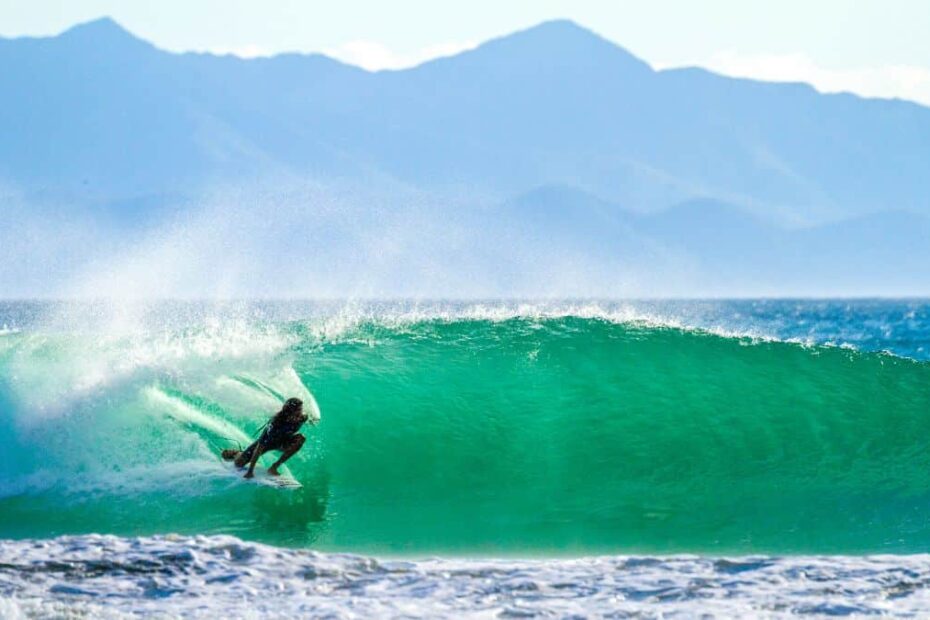
Along both Pacific and Caribbean coasts, surfers spent decades exploring beaches that were largely unknown outside the region. They started coming down as early as the 1950s and some of today’s best-known Central American surf communities, including Tamarindo, El Tunco, Puerto Viejo, and San Juan del Sur, began developing reputations within surfing circles before attracting larger numbers of visitors.
Elsewhere, other travelers came for different reasons. Archaeologists and history enthusiasts visited Mayan sites, while birdwatchers and naturalists were drawn to Costa Rica’s extraordinary biodiversity. Guatemala’s Lake Atitlán became a magnet for hippies, artists, and independent travelers seeking an alternative to more established tourism destinations.
What makes this period remarkable is that much of it unfolded against a backdrop of political instability and conflict. During the 1970s, 1980s, and early 1990s, several Central American countries experienced civil wars, revolutions, and political upheaval. Tourism remained limited by modern standards, but it never disappeared entirely. Surfers kept searching for waves, travelers continued crossing borders, and many of the destinations that would later become backpacker favorites remained firmly on the radar of adventurous visitors.
As travel became easier in the 1990s and 2000s, backpackers arrived in larger numbers and the Gringo Trail really became a right of passage for gap year students seeking an alternative to Thailand and Goa. Guidebooks like Lonely Planet mapped out routes across the region, hostels appeared in key destinations, and services like Tica Bus helped connect countries that many visitors wanted to explore in a single trip. A recognizable backpacker circuit emerged, linking places like Antigua, León, Granada, Utila, and Bocas del Toro.
The Region Goes Mainstream
As the backpacker trail became more established, Central America began attracting a much wider audience. The travel pioneers who had helped put the region on the map were joined by retirees, families, nature enthusiasts, and travelers looking for more regular beach vacations rather than independent adventures.
Costa Rica was at the forefront of this shift. In the late 1970s, the term “ecotourism” was coined as the country promoted a model built around wildlife, national parks, biodiversity, and outdoor experiences. Rather than competing solely with traditional beach destinations, Costa Rica proved that nature itself could be a major tourism draw. As peace returned to much of Central America during the 1990s, other countries increasingly began promoting their own reefs, rainforests, volcanoes, wildlife, and cultural attractions.
The result was simple: more people came. Destinations that had once been known mainly within surfing, backpacking, or diving circles began appearing in guidebooks, travel magazines, and mainstream vacation brochures. International investment followed, tourism businesses expanded, and visitor numbers increased year after year.
Success, however, came with consequences. As demand for property, accommodations, and services increased, so did prices. Places that had once attracted travelers partly because they were inexpensive gradually became less so. Across Central America, destinations known for surfing, diving, nature, and backpacking began attracting greater levels of international investment and, in many cases, wealthier visitors.
The transformation of Central America from what it used to be into what it is has not been without controversy. Rising tourism investment has brought jobs, infrastructure, and economic opportunities, but it has also fueled debates about development, affordability, and gentrification. In some destinations, property values and living costs have risen dramatically, creating tensions between economic growth and preserving the character that attracted visitors in the first place.
More Ways to Experience Central America Than Ever Before
The backpacker culture that helped define Central America hasn’t disappeared. Hostels are still full and surfers continue searching for the next great wave. Travelers can still follow much of the Gringo Trail today, often visiting many of the same places that became popular decades ago.
The difference is that backpackers are no longer the only travelers arriving in Central America. Families book all-inclusive beach vacations. Couples choose romantic boutique hotels overlooking volcanoes or the Caribbean Sea and single travelers book solo vacation packages designed by experts. Nature enthusiasts join guided wildlife tours, anglers head offshore in search of marlin and sailfish, and luxury travelers check into eco-lodges and private villas that would have been unimaginable in many destinations a generation ago.
The same applies to how people travel. Some visitors still spend months crossing borders by bus with flexible itineraries and a tight budget. Others fly between destinations, hire private drivers, or book fully planned vacations that take care of every transfer, hotel, and activity. They use platforms like Hotala to compare hotels, resorts, and stays across the region. No one approach is more authentic than the other. They simply reflect how much the region has evolved.
Final Thoughts
The backpacker image remains part of Central America’s identity because it played such an important role in shaping the region’s tourism industry. But it is only one chapter of a much larger story. Today’s Central America offers far more ways to travel than the pioneers who first helped put the region on the map could have imagined.