A simple guide to forex trading for expats in Central America, covering how currency trading works, the risks involved, taxes, brokers, and daily life.
Living in Central America doesn’t necessarily mean earning your money in Central America. Plenty of expats work remotely, run businesses online, invest, or earn income in other ways that aren’t tied to the country where they live. Some also trade currencies on the foreign exchange, or forex, market.
Forex trading takes place online and involves buying and selling currencies based on how their values change against each other. That means you can trade from pretty much anywhere with a reliable internet connection, including Costa Rica, Panama, Belize, or elsewhere in Central America.
Of course, being able to trade forex from Central America is one thing. Deciding if you actually want to is another. But before getting into that, it helps to understand what forex trading actually involves, how it works, and what living abroad might mean for someone interested in trying it.
What is Forex Trading?
Forex is short for foreign exchange, and forex trading is essentially about trading one currency against another. If you’ve ever changed dollars into colones or quetzales while traveling, you’ve already seen the basic principle at work. The exchange rate tells you how much of one currency you can get for another.
Forex traders are interested in how those exchange rates move, so currencies are traded in pairs. EUR/USD, for example, represents the euro against the US dollar. If EUR/USD is trading at 1.17, one euro is worth $1.17. If that number rises, the euro has strengthened against the dollar, and if it falls, the euro has weakened.
A trader can take a position based on which way they think that exchange rate will move. If they expect the euro to strengthen against the dollar, for example, they can trade based on that expectation. There’s no fixed period involved. They might be interested in what happens over the next few minutes, several hours, a few days, or much longer. What matters is how the exchange rate moves between opening and closing the trade. If it moves in the direction they predicted, they can make money. If it moves the other way, they can lose money.
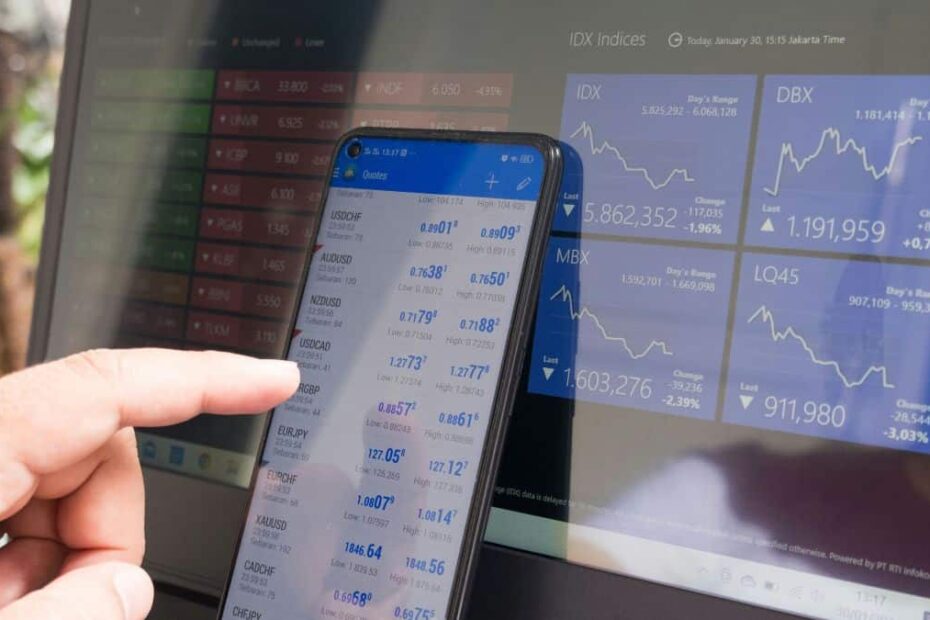
Exchange rates move for all sorts of reasons, including interest rates, inflation, economic news, political events, and decisions made by central banks. Traders use online platforms to follow the forex market today, compare currency pairs, and see how their values are changing.
Unlike a stock exchange, forex doesn’t operate through one central marketplace. Trading takes place electronically around the world, with the market generally open 24 hours a day from Monday through Friday. That makes it accessible to someone with an internet connection almost anywhere, including Central America.
How Does Forex Trading Work?
Most individual forex traders access the market through an online broker and trading platform. After opening and funding an account, you choose among the currency pairs offered by the broker and decide which way you think an exchange rate will move.
You might trade euros against US dollars at one point and British pounds against dollars at another. The most heavily traded pairs tend to involve major international currencies like the US dollar, euro, Japanese yen, and British pound. Central American currencies are far less widely traded and may not be available through a typical retail forex broker.
Forex trading also doesn’t usually mean buying foreign banknotes or keeping a balance of different currencies until their values change. As an individual trader, you’re generally using a broker to take a financial position on the movement of an exchange rate. And as explained above, you choose when to open the trade and when to close it, with the movement between those two points determining your profit or loss.
You don’t necessarily have to decide manually when to close every trade. Trading platforms allow you to set levels at which a position will close automatically. A “take-profit” order can close the trade after the market has moved a chosen amount in your favor, while a “stop-loss” can close it after the market has moved against you, limiting how much you’re prepared to lose.
Another important part of forex trading is leverage. This allows you to control a larger position with a relatively small amount of your own money. With 10:1 leverage, for example, $100 could give you exposure to a $1,000 position. That can magnify gains, but it can also magnify losses, which makes leverage one of the main risks to understand before trading forex.
Trading platforms also provide tools for following prices, looking at previous movements, setting alerts, and analyzing currencies. There’s a lot more to forex trading once you get into strategies and market analysis, but that’s essentially how it works.
Can You Trade Forex While Living in Central America?
Living in Central America doesn’t prevent you from trading forex. It’s an international online market, so the main practical issues are having reliable internet and finding a broker that accepts customers where you live.
That last point is important for expats, though. Forex brokers don’t necessarily offer the same services everywhere, and some only accept customers who live in particular countries. Moving abroad can therefore affect which brokers or accounts are available to you. Your country of residence is particularly important, while your nationality, tax residency, and banking arrangements may also matter depending on the broker.
Central America’s location can also be convenient. The region sits within North American time zones, meaning you can follow activity in the major US markets during normal daytime hours. The forex market itself operates around the clock during the working week, so you’re not restricted to those hours, but you don’t need to stay awake through the night simply to follow what’s happening in New York.
As for what you actually need, there’s not much to it. Reliable internet, a suitable device, a way to fund and withdraw money from your trading account, and ideally a backup internet option if you’re going to trade regularly.
What About Taxes and Regulations?
Central American countries generally tax income according to where it comes from rather than simply taxing residents on everything they earn worldwide. That can matter for expats trading international financial markets, but it doesn’t automatically mean that profits from forex trading are tax-free. How trading income is classified and where it is considered to originate can depend on the country and your individual circumstances.
Your home country may matter too. US citizens living in Central America, for example, generally remain subject to US tax reporting on their worldwide income even while living abroad. Other nationalities have different rules.
Regulation also matters when choosing a broker. Different brokers operate under different regulatory authorities and aren’t necessarily available in every country, so check which company you’re actually opening an account with, where it’s regulated, and what protections apply.
In other words, don’t assume your forex profits are taxable locally, but don’t assume they’re tax-free either. If you’re trading significant amounts, check how the rules apply to your particular situation with a qualified tax professional.
Could Forex Trading Work for You?
Forex fits relatively easily around living abroad because all you really need to access the market is an internet connection and a trading account. Living in Central America also puts you in convenient time zones for following major financial markets in North America.
And it doesn’t need to take all day either. How much time traders spend on forex varies enormously according to how they trade. Some actively follow short-term movements for an hour or two at a particular time of day, while others monitor markets for much longer. Longer-term traders might check their positions periodically and leave trades open for days or weeks.
For someone in Central America, mornings can be particularly convenient because they coincide with active trading hours in North America and part of the trading day in Europe. Someone who wants to devote a couple of hours each morning to following the markets could therefore do so, although the amount of time spent trading has no bearing on whether they’ll make money.
None of that means forex is an easy way to earn money. Exchange rates can move quickly and unpredictably, and leverage means relatively small market movements can result in significant gains or losses. Unlike a salary or regular business income, there’s no guarantee that trading will provide you with money when you need it.
If forex interests you, you don’t necessarily need to start by putting your own money at risk. Many brokers offer demo accounts that allow you to practice trading with virtual money while following real market movements. It’s a simple way to see how trading actually works before putting real money into it.