Should you buy property in Nicaragua? After the recent Playa Gavilán seizures, our answer is no. Here’s what happened and why renting is the safer choice.
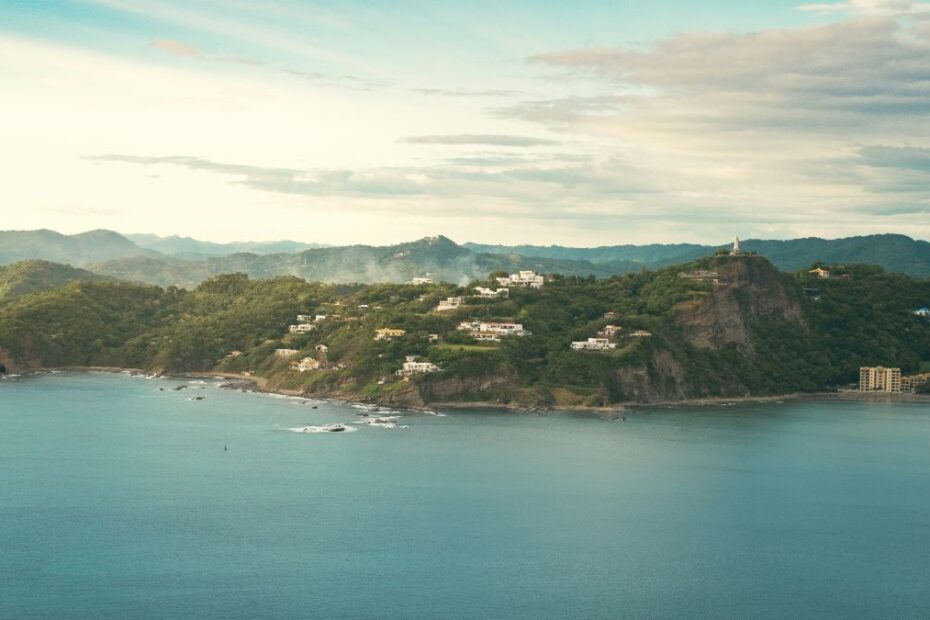
Earlier this month, reports emerged that nine American retirees had lost their vacation homes in Nicaragua. The houses, at Playa Gavilán in Tola on the southern Pacific coast, were seized in late August without formal notice and handed to the Nicaraguan Social Security Institute (INSS), along with the furniture and belongings inside.
The owners had built the homes around 15 years ago under Nicaragua’s coastal zone law, which lets people own buildings on state land, and used them to escape northern winters. They leased the ground from Tola’s municipal government for about $1,000 a year and paid their property tax. Earlier this year, the municipality canceled the leases.
By the end of last week, eight of the nine owners had their keys back. The ninth, an investor whose losses include a hotel and a farm as well as his beach house, was still locked out. No Nicaraguan authority has said why the homes were taken or why most were returned.
The Gavilán owners did everything by the book, and it made no difference. Owners with full title have fared no better. For anyone thinking about buying in Nicaragua, that raises a fair question: should you?
View this post on Instagram
How Nicaragua Treats Property and Its Owners
The Gavilán case stood out only because the owners were American. Since the 2018 crackdown, though, the Nicaraguan government has confiscated hundreds of properties from its own citizens, businesses, media outlets, NGOs, universities, and churches. In April 2025, a UN panel of human rights experts named 54 Nicaraguan officials, including the co-presidents, as responsible for a coordinated campaign of repression that includes the confiscation of private property. The Catholic Church alone has lost at least 39 properties since 2022, including schools and universities.
The government says it has “legally recovered” these assets through criminal cases and administrative rulings. The only confiscated property known to have been returned belongs to Americans.
The regime in Nicaraguan also goes after people directly. In February 2023, it deported 222 political prisoners to the United States and stripped them of their citizenship. A week later, 94 more opponents lost their Nicaraguan citizenship and their property. In 2024, another 135 released prisoners lost both.
Foreigners aren’t exempt. Canada’s travel advice notes that Nicaraguan law bans political activity by foreigners, and that criticizing the government, including on social media, can lead to detention or deportation. Immigration officials check travelers’ online activity, and a post they consider suspicious can be enough to keep someone out of the country. UN experts counted 318 Nicaraguans refused entry to their own country between 2018 and 2025.
For a property owner, that’s the real exposure. A house in Nicaragua is only as secure as your standing with the government. A government that has shown it can take property without explanation, and can stop you coming back to see it.
So, Should You Buy Property in Nicaragua?
Our answer, for now, is no.
Plenty of foreigners own property in Nicaragua without any trouble, and many will go on owning it without incident. The Gavilán owners went 15 years without a problem too. What the case shows is how little protection there is when something does go wrong. Following the law didn’t help them, and getting most of the homes back came down to a government decision that nobody has explained.
Our standing advice for anyone thinking of buying anywhere in Central America is to rent for at least a year or two first. You get to know the area, the seasons, the neighbors, and what daily life actually costs before you tie up your savings in a place you may decide isn’t for you.
In Nicaragua, that advice counts many times over. Renting lets you live in the country without owning the one thing the government has shown it can take. If the political situation changes, or the government takes against you, a renter can pack up and leave. An owner leaves a house behind.
If you’re set on buying anyway, treat it as money you can afford to lose.