Learn how people use cash in Central America as we rank all seven countries from most cash-dependent to least and explain each country’s payment culture.
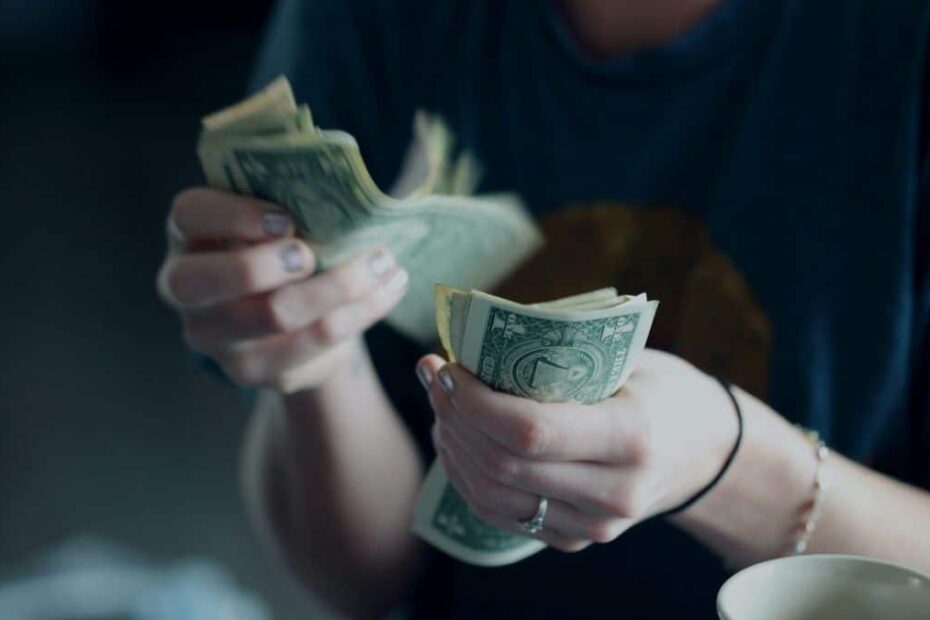
If you’re under a certain age, you probably don’t know what the smell of money is like. And by that, we mean actual money. Moolah. Bread. Greenbacks. Cash. In an era where money is essentially a number on a screen, anyone under a certain age may not recognize that sweet smell of cash. That scent of a crisp five-dollar bill earned from washing your dad’s car as a kid. The metallic tang on your fingers after opening the piggy bank and counting all those coins before running off to the store. Life’s little pleasures, largely lost to the modern world.
Unless you’re in Central America.
Unlike most of the developed world, Central America still runs, at least in part, on cash. Not totally, of course. The cashless society “utopia” that many countries seem to be moving toward is making headway here too, just at a much slower pace than places like, say, Sweden. Here’s how paying for things compares across the region, and where cash still wins.
Why Cash Still Matters
Now it’s important to say here that Central America hasn’t resisted cards. Credit and debit are accepted widely, contactless is normal, and mobile wallets are part of daily life around the region.
What keeps cash alive is the informal economy, which is extensive in every Central American country. Fruit sellers, market stalls, gardeners, domestic workers, tradespeople, and the family restaurant on the corner all still deal mostly in cash. Not because they can’t take cards. Plenty of them can and do. Cash is just easier. It needs no internet connection, no working terminal, and no processor skimming a percentage off every sale. When the power goes out, cash still works. And when you’re paying the guachiman to watch your car, he wants cash.
There’s a cultural side to it too. This is a region of small businesses and personal relationships, where people buy from farmers, artisans, and neighbors every day. Cash suits that.
How much of it you’ll actually use depends on where you are. Some countries have taken to cards far more enthusiastically than others, while a couple still run on notes and coins for most of daily life. Here’s roughly how they stack up.
Where Cash Is King: Ranking Central America
This isn’t an exact science. Card acceptance varies between cities and countryside, tourist towns and local barrios, and one business and the shop next door. You can spend a week in the most cash-heavy country on this list and find yourself needing your card, then get caught hunting for coins in the most card-friendly one.
What follows isn’t a ranking of where cards are accepted. It’s how people actually pay for daily life, ordered from most cash-oriented to least. There are exceptions everywhere, but the pattern generally holds.
1. Nicaragua
If there’s one country where carrying cash is still second nature, it’s Nicaragua. Not because anyone has rejected the alternatives. Cards work fine in supermarkets, larger hotels, and most established businesses.
Step outside those places, though, and cash takes over completely. Corner stores, markets, roadside vendors, family restaurants, tradespeople, and taxis are overwhelmingly cash businesses. Even places that technically accept cards will often quietly prefer you didn’t use one. Dollars or córdobas, either does nicely. Visitors and expats both pick up the habit of hitting an ATM before they head out for the day.
It goes well beyond groceries and lunch, too. Plenty of landlords still collect rent in cash, and the stories about buyers turning up to close on a house with a bag of banknotes are not quite urban legends. Cash is trusted here in a way that catches newcomers off guard.
Bottom line: Nicaragua is the most cash-oriented country in the region. Carrying cash isn’t a backup plan, it’s the plan.
2. Honduras
Honduras has a lot in common with Nicaragua. Cash is the first choice for most daily transactions, especially once you leave the big cities, and nobody seems in any hurry to change that. Cards and digital payments have found a place alongside cash rather than replacing it.
It sits at number two rather than number one only because cards have gained a bit more ground, mostly in the larger urban centers and the tourism industry. The gap is small. Spend time living in Honduras rather than simply passing through, and you’ll quickly discover that cash remains an everyday companion.
Bottom line: Honduras feels much like Nicaragua when it comes to payment culture. Cards are spreading, but cash still sits comfortably at the heart of everyday life.
3. Guatemala
Guatemala is where things start to split. In Antigua and the other established tourist towns, paying by card is routine and increasingly expected. Head up into the highlands and cash runs everything.
That split is Guatemala all over. Shopping malls and payment terminals on one side, traditional markets and family businesses that have barely changed in decades on the other, and cash is the one thing that works in both. You can tap your phone for breakfast in Antigua and spend the rest of the day handing over quetzales in a village market.
Bottom line: Guatemala is the middle ground. Cards in the cities and tourist centers, cash almost everywhere else, so carry both.
4. Belize
Between the tourism industry and the close ties to North America, a lot of visitors leave Belize thinking it’s a card-friendly country. Spend your trip on the cayes and you’d have no reason to think otherwise. But that’s only half the picture. Away from tourism, cash is the default for anything person to person, whether that’s paying a domestic worker or buying from an independent vendor.
Belize really has two payment cultures running in parallel. One was built around what international visitors expect, and the other belongs to a small Central American country where personal relationships and the informal economy still carry a lot of weight.
Bottom line: Belize looks card-friendly in the tourist hotspots. Everywhere else, cash is what most people would rather take.
5. El Salvador
No country in Central America has attracted more attention for the way people pay than El Salvador. Part of that is because El Salvador uses the U.S. dollar as its official currency. The other reason, of course, is Bitcoin. Since adopting Bitcoin as legal tender in 2021, many people outside the country assumed it was leading a cashless revolution.
The reality, though, has proved somewhat different. While the government invested heavily in promoting Bitcoin, it never caught on with ordinary Salvadorans. Most people who claimed the government’s free Bitcoin incentive simply converted it into cash and carried on paying as they always had. Although Bitcoin remains legal and businesses can still accept it, everyday payment culture continues to revolve around far more familiar methods.
That’s not to say Bitcoin disappeared entirely. You’ll still find businesses that accept it, particularly in places like El Zonte, and cryptocurrency enthusiasts continue to visit the country because of its Bitcoin experiment. For most residents and visitors, however, cards and U.S. dollars remain the preferred way to pay.
Bottom line: El Salvador may be famous for Bitcoin, but everyday payment culture is still built around cards and U.S. dollars.
6. Costa Rica
Costa Rica is where cash stops being the default. Most people still keep some colones on them for the aforementioned guachiman, but you can easily go a whole day paying by card or phone. Most of that comes down to SINPE Móvil, the bank transfer system that works off your phone number and has taken over an enormous share of the small payments that used to happen in cash. Splitting a bill, paying the guy who cuts your grass, buying a bag of oranges at the weekend feria, all of it moves by SINPE now.
Cash hasn’t disappeared and it’s still worth carrying some. Many Costa Ricans just treat it as something to have rather than something they expect to use.
Bottom line: Costa Rica is one of the least cash-dependent countries in the region, and SINPE Móvil is the reason why.
7. Panama
If Costa Rica is where cash loosens its grip, Panama is where it lets go. In Panama City, card is simply how you pay for most things. Cash is more common outside the capital, but nowhere else in Central America relies on it less.
Bottom line: Panama comes last because cash matters less here than anywhere else in the region.
What This Means for Travelers and Expats
So, what’s the takeaway? First, don’t assume that because a country ranks near the bottom of this list, you can leave your wallet at home. You’ll want cash in Panama and Costa Rica too, and your card isn’t dead weight in Nicaragua. Both have their place in all seven countries. What changes is how often you reach for each one.
Location matters at least as much as the country. Payment culture gets more cash-oriented the further you get from the big cities and the established tourist spots. A gleaming Multiplaza shopping mall in a capital city and a rural soda or comedor in the countryside might as well be on different continents.
Carry small bills where you can. Small shops, taxis, and market vendors often can’t break a large note, especially first thing in the morning. If you’re spending dollars outside Panama or El Salvador, make sure they’re clean and intact, because torn or heavily marked bills get refused all the time. Expect your change back in local currency, too.
One last thing. This stuff moves faster than you’d think. Card acceptance keeps growing, digital systems keep spreading, and every country is going at its own pace. This ranking reflects where Central America stands today, but the gap between its most cash-dependent and least cash-dependent countries is gradually narrowing.
Final Thoughts
Central America isn’t heading for a cashless future at the pace of wherever you’re from. In some countries cash very clearly still king. In others, cards and apps have quietly taken over most of the work cash used to do. Knowing the difference will save you the odd awkward moment at the checkout, and it tells you something about each country besides. Spend enough time here and you’ll notice that how people pay says quite a lot about the place.