Planning a Costa Rica photography trip? This regional guide covers Corcovado, Tortuguero, Monteverde, Arenal, and the Pacific coast to help you build a balanced portfolio.
Anyone who knows Costa Rica knows just how physically beautiful the country is. Travelers come to the Land of Pura Vida expecting physical natural beauty, of course, but still find themselves staggered by how much more beautiful it is than they imagined. Which makes the country one of the top destinations in the region for serious photographers.
What also sets Costa Rica apart is not just the aforementioned physical natural beauty, but also its diversity and how concentrated that diversity is. In a relatively small country, you can move from Pacific beaches to Caribbean wetlands, from active volcanoes to rainforests and high-elevation cloud forest, often within the same week.
For photographers traveling with intent, that concentration creates opportunity but also demands structure. Rather than chasing individual viewpoints or isolated “best spots,” it helps to think in terms of ecosystems and regions. Each zone has something special to snap: dense primary rainforest in the south, canal-based wildlife in the Caribbean lowlands, mist and epiphytes in the highlands, and graphic volcanic and river landscapes in the north.
If you’re building a Costa Rica photography itinerary, understanding those zones is the first step toward producing a balanced and deliberate body of work. But before exploring those regions in detail, it’s worth addressing the practical realities of photographing in a tropical climate.
Practical Considerations in a Tropical Climate
Photographing Costa Rica is as much about preparation as location. Humidity, sudden rain, and long wildlife days can create technical challenges that are easy to underestimate.
Moisture is the most persistent issue. Gear should be protected when moving between air-conditioned spaces and humid forest environments to prevent condensation. Dry storage, sealed bags, and patience during temperature transitions can prevent internal fogging that ruins early morning opportunities.
Storage management is another practical reality. Wildlife sessions often generate hundreds of frames in a short window, and long days in the field mean you may not always have immediate access to backup systems. Photographers working partially from mobile devices sometimes rely on a free phone cleaner for iPhone to clear duplicate files and free up space before transferring images. Regardless of workflow, multiple memory cards and consistent backups remain essential.
Finally, mistakes happen. Cards are formatted accidentally, files become corrupted, and equipment occasionally fails in humid conditions. Understanding basic methods to recover deleted photos from your SD card before you travel can prevent a technical issue from becoming a permanent loss.
With preparation in place, let’s look at what matters most: selecting the environments that will shape your work.
The Osa Peninsula and Corcovado
If one region defines a serious Costa Rica photography trip, it’s probably the Osa Peninsula and Corcovado National Park in the far south of the country. This is primary rainforest running directly to the Pacific, with rivers, empty beaches, and some of the country’s most intact ecosystems.
Corcovado is one of Central America’s strongest wildlife zones, with reliable chances for tapir, scarlet macaw, peccary, raptors, and a long list of smaller mammals and reptiles. Long lenses are essential, but so is time. The forest is visually dense, and stronger images usually come from waiting for cleaner lines of sight and better light rather than shooting constantly.
Staying overnight in or near the park makes a difference. Early mornings and late afternoons bring more activity and more workable light under the canopy, while guided night walks on the Osa fringe add amphibians, insects, and nocturnal mammals to the portfolio.
The Osa is slower and more physically demanding than other regions, but as a foundation for a photography-focused itinerary, it provides depth, scale, and a sense of immersion that is difficult to replicate elsewhere in the country.
View this post on Instagram
The Caribbean Lowlands
Costa Rica’s Caribbean lowlands are among the most productive wildlife photography areas in the country. This region includes the canal networks of Tortuguero and the rainforest zones around Sarapiquí and Boca Tapada, each offering a distinct working environment.
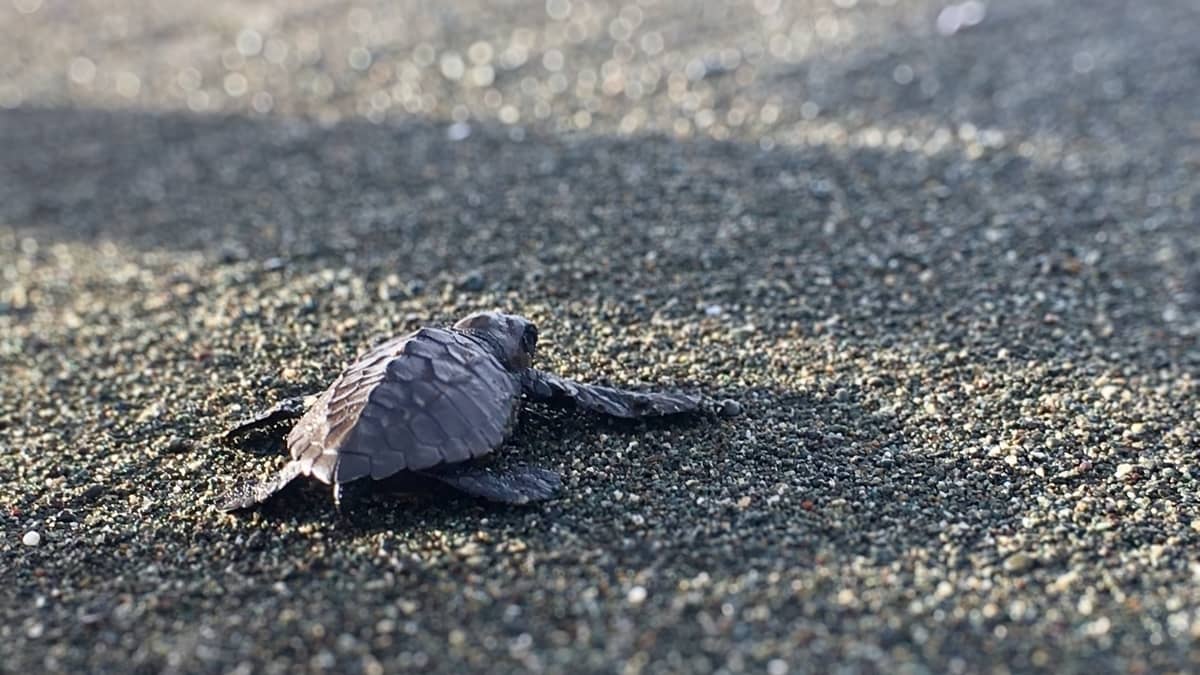
Tortuguero National Park is all about water. Much of the photography takes place from small boats navigating narrow canals bordered by dense vegetation. Monkeys, caiman, river otters, and a wide range of birdlife are often encountered at close range, and the low shooting angle from the water creates intimate perspectives. Along the coast, turtle nesting beaches and shifting Caribbean weather provide opportunities for atmospheric seascapes alongside wildlife work.
Inland, Sarapiquí and Boca Tapada are known for high bird species counts within a compact area. Many rainforest lodges maintain fruit feeders or forest-edge clearings that attract toucans, aracaris, tanagers, hummingbirds, and other birds, along with occasional mammals and amphibians. For photographers focused on birds or smaller rainforest species, these setups allow for cleaner backgrounds, controlled light, and repeated opportunities to refine compositions.
View this post on Instagram
The Highlands and Cloud Forest
Costa Rica’s highland zones introduce a different visual character altogether. Elevation brings cooler temperatures, persistent mist, and a softer, more diffused quality of light. The result is an environment that rewards patience and careful composition rather than speed.
Monteverde Cloud Forest Reserve is the best-known of these areas. Moss-covered branches, hanging bridges, and dense epiphytes create layered scenes with natural depth. Mist often drifts through the canopy, simplifying backgrounds and adding atmosphere to otherwise busy forest frames. Birdlife is abundant, including hummingbirds and the resplendent quetzal, but the forest itself is just as much the subject as the wildlife within it.
Further south, there’s Los Quetzales National Park in the Talamanca Mountains. Higher elevations and seasonal fruiting patterns make this region particularly important for photographers treating quetzal photography as a serious project. The terrain also opens into ridge-lines and highland forest that feel more expansive than Monteverde’s tighter canopy, offering opportunities for broader landscape work alongside bird photography.
The highlands are less about dramatic, wide-open scenery and more about atmosphere. Light shifts quickly as clouds move across the mountains, and successful images often come from working a small area slowly rather than covering distance. For photographers seeking mood and texture rather than scale, this zone is essential.
View this post on Instagram
Volcanic and River Landscapes
In northern Costa Rica, you’ll find volcanoes and mineral-rich rivers that create some of the country’s most recognizable natural photo opps. Here, the near-symmetrical cone of Arenal Volcano rises above the countryside, providing opportunities for layered compositions at sunrise and late afternoon. Clear mornings often produce reflections on the nearby lake, while shifting cloud cover can add movement and scale. Beyond the volcano itself, the surrounding foothills offer waterfalls, lava fields, and solid bird and macro potential, making Arenal a versatile base for mixed landscape and wildlife work.
Tenorio Volcano National Park and Río Celeste introduce a different palette. The river’s distinctive blue color, created by a natural chemical reaction in the water, lends itself to long-exposure work and strong color contrast against deep green rainforest. Hanging bridges, waterfalls, and misty trails provide multiple vantage points within a relatively contained area.
This northern zone delivers iconic Costa Rican scenery without requiring extreme logistics. For many photographers, it provides the structural anchor to balance wildlife-heavy sections of a broader itinerary.
View this post on Instagram
The Pacific Coast
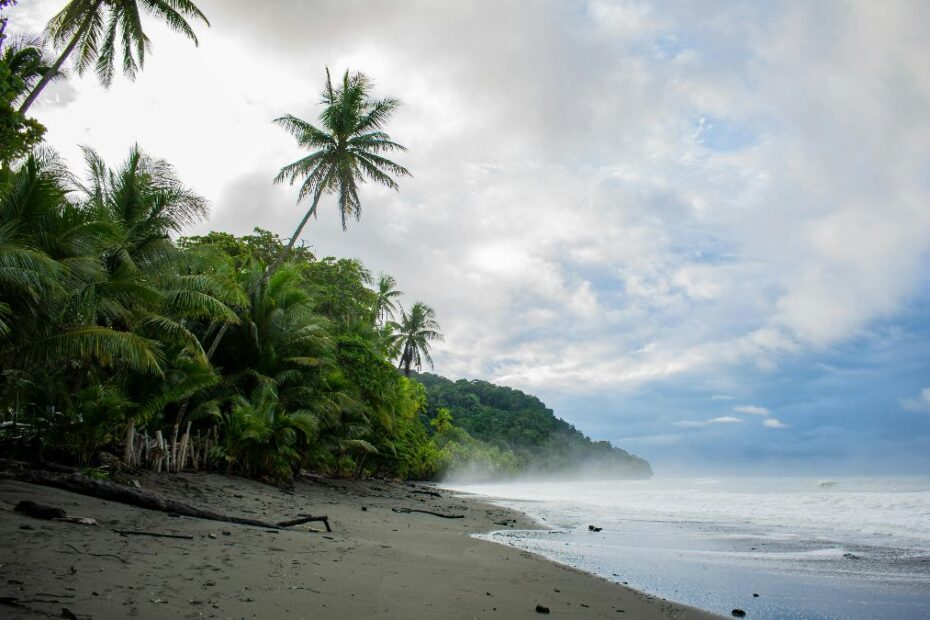
Costa Rica’s Pacific coastline introduces light, movement, and open space into a photography itinerary. Compared to the visual density of rainforest and cloud forest, the coast offers cleaner horizons, stronger silhouettes, and consistent sunset conditions.
In Guanacaste, Playa Tamarindo and Playa Flamingo are particularly reliable for sunset work. Both face west, which means unobstructed views as the sun drops into the Pacific. Tamarindo provides a mix of rocky outcrops, headlands, and active beach life, creating opportunities for layered compositions that combine surfers, boats, and tidal reflections. Flamingo, with its lighter sand and open curves of coastline, lends itself to more minimalist seascapes and long-exposure work when conditions are calm.
Surf photography is another defining element of the Pacific side. Breaks in Tamarindo and surf communities like Nosara and Santa Teresa on the Nicoya Peninsula allow for shoreline-based shooting, especially during golden hour when backlighting highlights spray and motion. Strong images often come from working low to the sand, isolating a single rider against clean water and sky rather than trying to capture crowded lineups. Timing matters: early morning sessions typically offer cleaner waves and softer light, while late afternoon adds warmer tones and more dramatic silhouettes.
Further south along the Central Pacific, beaches around Manuel Antonio and Uvita introduce forested headlands and seasonal marine activity, including humpback whales offshore at certain times of year. These areas allow photographers to combine coastline, wildlife, and shifting weather into broader landscape frames.
View this post on Instagram
Final Thoughts
That rounds up our Costa Rica photography tour. It’s important to remember that you can get around all these zones in a short amount of time, meaning you can work rainforest, wetlands, cloud forest, volcanoes, and coastlines in a single trip. Few destinations allow that level of contrast without extensive travel.
The strongest results, though, tend to come from selecting environments deliberately rather than trying to cover everything. Time spent working one forest trail at first light or returning to the same beach across multiple sunsets often produces more cohesive images than constant movement.
For photographers approaching Costa Rica with intention, the country provides not just variety, but depth. The zones outlined here form a framework. What you produce within them will depend on patience, preparation, and how deliberately you choose to work each landscape.