Remote work in Central America is often discussed in broad terms, but day-to-day conditions can vary widely depending on location, infrastructure, and housing choices. This article focuses on the practical realities that shape remote work experiences across the region, especially for those planning longer stays or considering relocation in the coming year.
Remote work has made it possible to live in many parts of Central America while keeping a job based elsewhere. The region’s time zones align well with North America, and most countries now have urban areas with modern digital infrastructure.
But what often gets overlooked is how uneven remote work conditions differ across the region. Two people working remotely in the same country, or even the same city, can have very different day-to-day experiences depending on internet reliability, power stability, and the type of accommodation they choose. As more people plan remote work or relocation into 2026, understanding these practical differences becomes increasingly important.
Internet Access: Availability Is Not the Same as Reliability
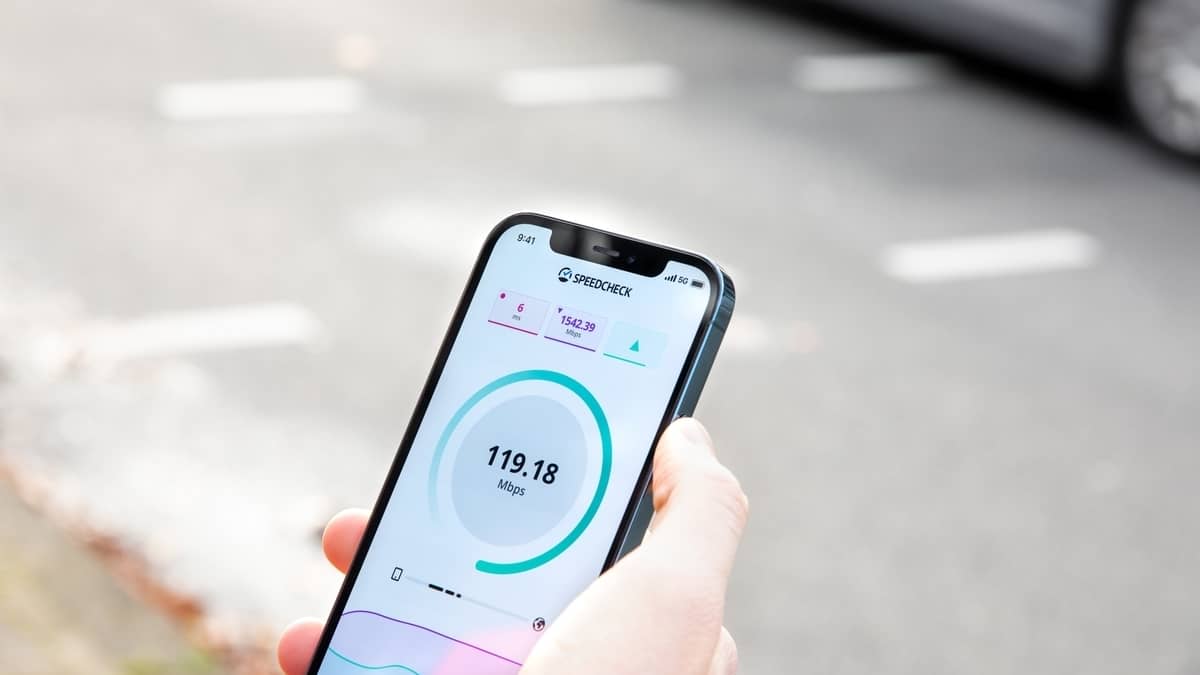
High-speed internet is widely available in Central America’s major cities and business districts. Fiber connections are common in parts of Costa Rica and Panama, and strong broadband services are also found in urban areas of Guatemala and Belize. In these locations, internet speeds are generally sufficient for video calls, cloud-based work, and large file transfers.
Reliability, however, varies considerably. Performance can differ by neighborhood, building infrastructure, and service provider, even within the same city. In beach towns, smaller cities, and rural areas, connections are often slower and more prone to interruptions, particularly during peak usage hours or periods of heavy rain. Short outages and speed fluctuations are not unusual.
Because of this variability, many remote workers rely on mobile data as a backup connection, especially for meetings or time-sensitive work. In practice, the quality of an internet connection is often determined less by the country itself and more by the specific property and how its connection is configured.
Power Stability and Its Impact on Remote Work
Power stability is another factor that directly affects remote work in Central America. In most capital cities and larger towns, the electrical grid is generally reliable, but brief outages still occur. In beach and smaller communities, interruptions are more frequent, especially during the rainy season.
Even short power cuts can disrupt meetings and work schedules. For remote workers with fixed hours or frequent video calls, this makes backup solutions an important consideration. Buildings with generators, battery systems, or other forms of electrical backup tend to provide a more consistent work environment than standard short-term rentals designed primarily for tourism.
Why Accommodation Choice Often Matters More Than the Country
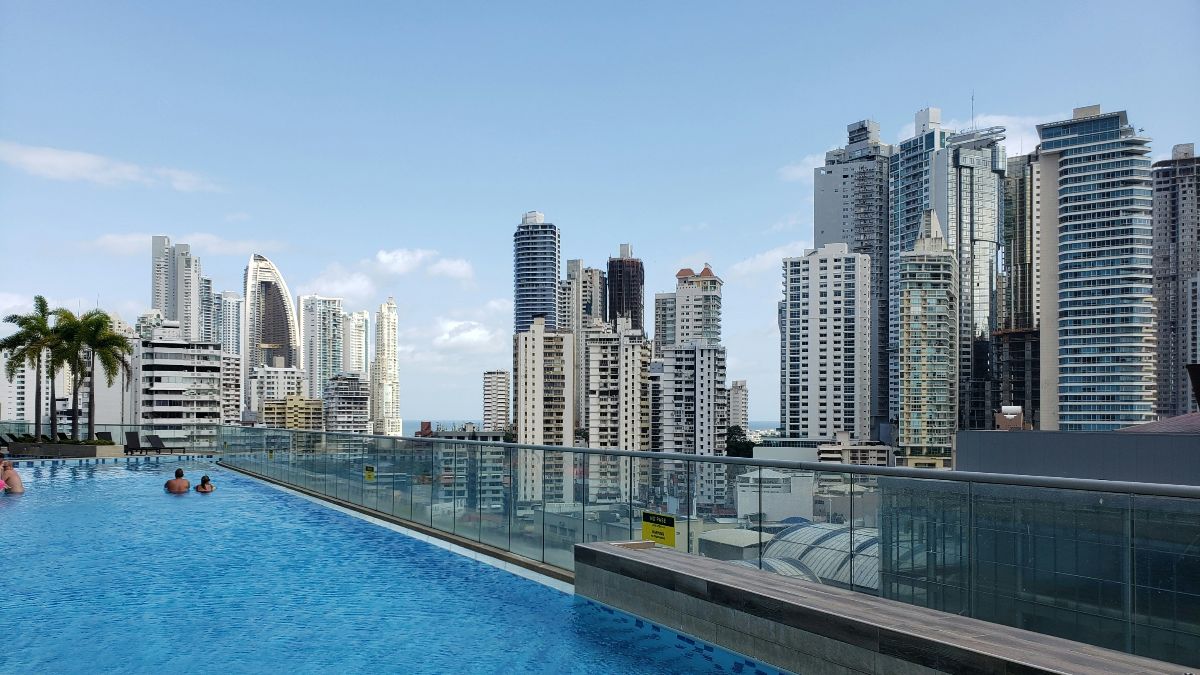
When it comes to remote work in Central America, the quality of the accommodation often has a greater impact on day-to-day productivity than the country itself. Two apartments in the same city can offer completely different working conditions depending on how they are set up and maintained.
Many short-term rentals in the region are designed primarily for vacation use. While they may be comfortable and well located, they are not always configured for full-time remote work. Common issues include limited desk space, shared or poorly configured internet connections, unstable routers, and a lack of backup power. Noise levels and building layout can also affect the ability to work consistently during standard business hours.
Because of this, some remote workers choose housing designed specifically for longer stays and work-focused use. This typically means furnished apartments with dedicated workspaces, more reliable internet setups, and layouts better suited to daily routines. Companies like Rent Remote operate in this space, offering accommodations intended to support remote work rather than short-term tourism. For people working fixed schedules or handling time-sensitive tasks, this type of housing can reduce many of the disruptions commonly associated with standard rentals.
Major Cities vs Beach and Tourist Communities
Oftentimes, remote work conditions in Central America are shaped less by whether a location is urban or coastal and more by how developed and connected it is. Capital cities and long-established tourist communities often offer similar levels of reliability, while newer or less-developed areas involve more trade-offs.
In Costa Rica, for example, major beach and tourist communities like, say, Tamarindo, Flamingo, and Jacó have infrastructure that supports remote work. These areas have high concentrations of tourists, expatriates, and higher-income residents, which has driven investment in internet connectivity, power infrastructure, and work-friendly housing. While not perfect, day-to-day conditions in these locations are often comparable to those found in the major Central Valley cities.
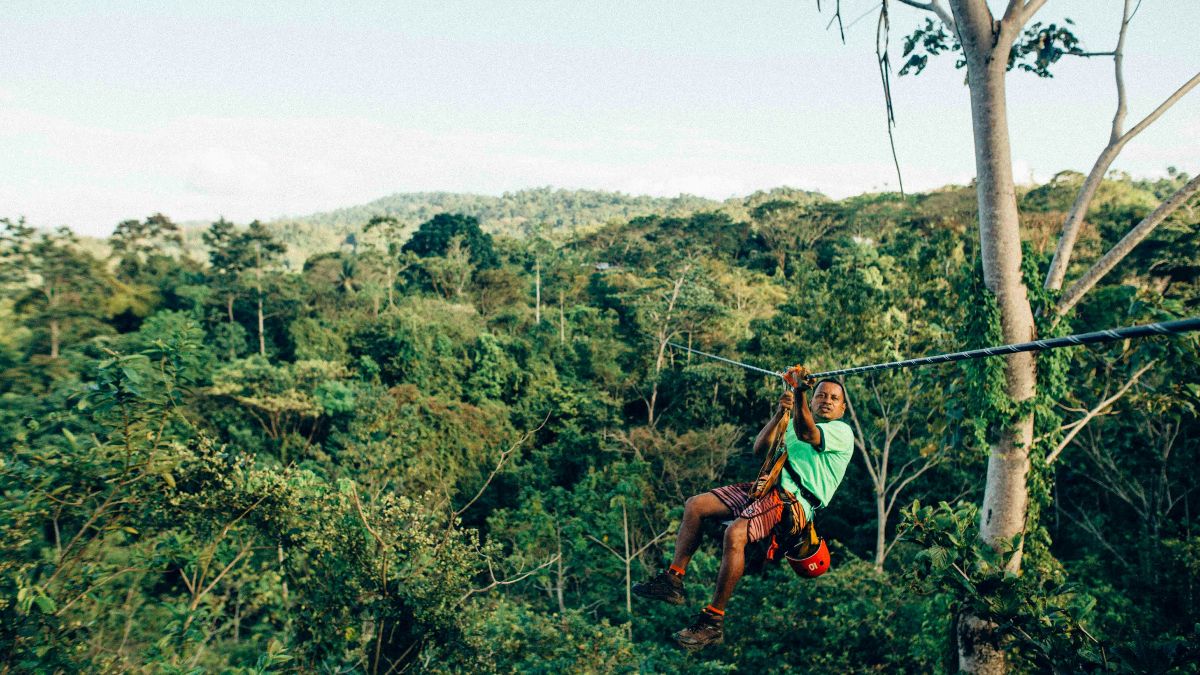
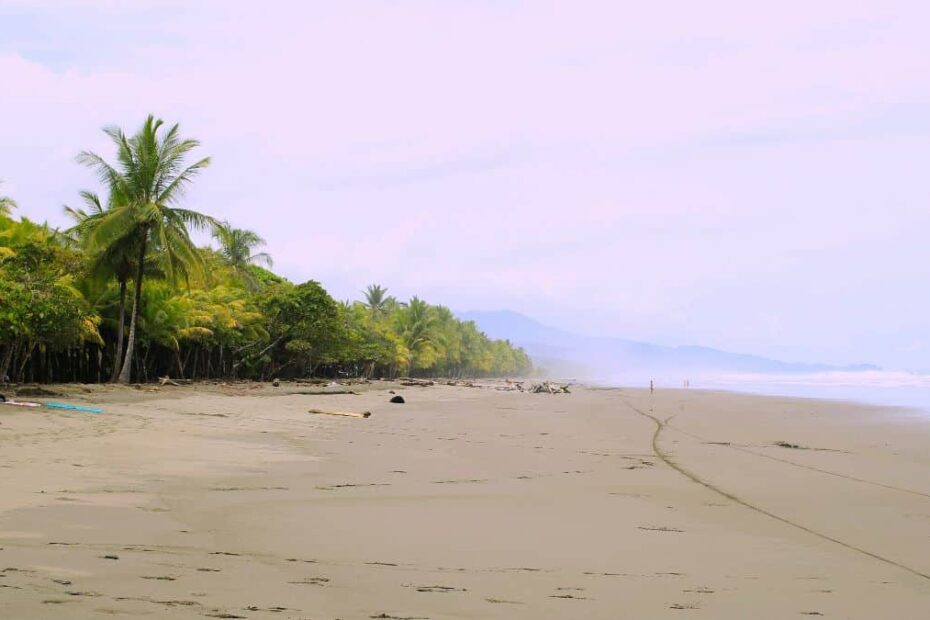
The differences become more noticeable in smaller, less-developed towns and remote coastal areas. In these locations, internet speeds may be inconsistent, power outages more frequent, and service options limited. For remote workers with flexible schedules, these limitations may be manageable. For those working fixed hours or relying on constant connectivity, they can present ongoing challenges.
In practice, established communities with sustained demand tend to offer more predictable working conditions than emerging or isolated destinations, regardless of whether they are cities or beach towns. Understanding where a location sits on that spectrum is more useful than relying on broad assumptions.
Planning Realistically for Remote Work in Central America
Working remotely in Central America requires realistic expectations. Internet access, power stability, and housing quality vary widely, often within the same city or town. Broad comparisons between countries are less useful than understanding how specific locations and properties function on a day-to-day basis.
As people look ahead to remote work or relocation in 2026, the importance of planning around practical details becomes even clearer. Focusing on accommodation quality, connectivity, and backup options tends to lead to better outcomes than relying on assumptions tied to destination alone.
With the right setup, remote work in Central America can work well over the long term. Without it, even locations with strong infrastructure on paper can quickly become frustrating. Planning around real conditions remains the key factor in making the experience successful.