Your Netflix catalog changes, some accounts are still tied to a phone number you no longer have, and WhatsApp turns into the app you use most. Here’s what happens to your online life when you move to Central America.
For better or worse, almost every aspect of life runs through a phone or a laptop now. Banking, work, shopping, television, music, photos, news, and the pile of accounts and subscriptions you stopped counting years ago.
So what happens to all of that when you move to another country?
Less than you’d expect, at first. The internet travels well, after all. But live abroad long enough and you notice your online world drifting away from the one you had back home. Streaming libraries change. Websites work out that you’re somewhere else. A few accounts stay tied to a phone number and an address you no longer have. Apps you’d never heard of turn into the ones you open twenty times a day. Call it a gradual rearrangement of your life that you barely notice happening.
For anyone moving to Central America, this is roughly how it goes.
The Internet Figures Out Where You Are
One of the first things you’ll discover is that the internet immediately works out where you are and starts making decisions on your behalf. And you don’t have to change a single setting for any of it to happen. Search for a restaurant or a news story and the results tilt toward your new country. Prices show up in the local currency and advertising becomes more local. International sites will send you straight to their regional version without asking.
Most of the time, that’s what you want. Once you’re living down here, you’ll generally want searches for restaurants, services, and other everyday information to reflect where you actually live. But location-based personalization can also become annoying when you’re looking for something back home and Google keeps pushing local results at you anyway, or when a booking site flips into Spanish because of where you happen to be connecting from.
Often you can fix that on the site itself by switching the language or region, but it’s a pain to keep having to do that. When that doesn’t work, a VPN routes your connection through a server somewhere else, and sites respond to that location instead of your real one.
Your Streaming Services Might Look Different
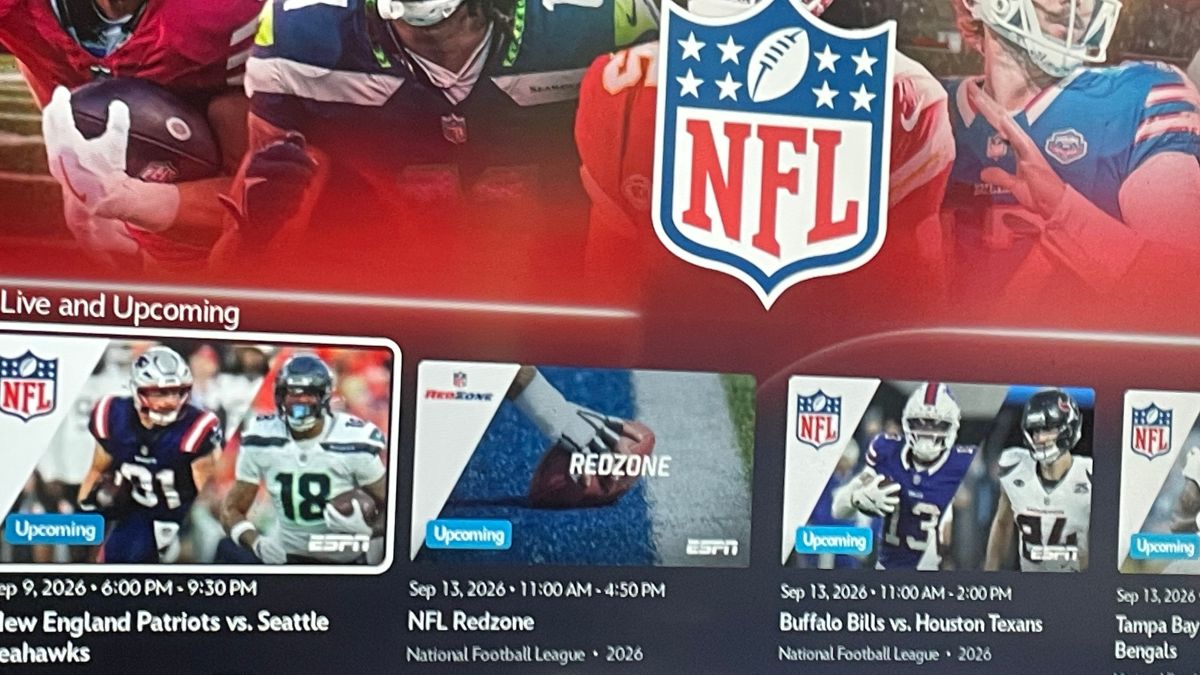
Streaming is the most obvious one. Your Netflix account works perfectly well in Central America. What changes is the catalog, because licensing is done country by country, and the shelf you see depends on where you’re watching from. The series you were four episodes into can vanish overnight. Other things you couldn’t get before turn up.
The rest of the streaming world runs on the same rules. Movies, television, and live sports are all sold by territory, so what’s available depends on which side of a border you’re sitting on. Some services aren’t available at all.
Plenty of people never really notice, especially with the bigger regional libraries. But it stings when there’s something specific you wanted, and it stings most with live sports.
You’re paying the same subscription for a different service, and nobody warns you about that part. You might find yourself a little discombobulated at first, regardless.
You Start Connecting From a Lot More Places
Back home, most of your online life probably ran through one home network and one phone plan. That changes when you move, at least for the first few months. There’s the stretch before you have internet at the new place, the cafes and coworking spaces, the hotel Wi-Fi while you’re still deciding which neighborhood you want to live in, and the unfamiliar networks you use traveling around the region afterward.
The advice for handling that is the same advice as anywhere else. Strong passwords, two-factor authentication, updated devices, and some thought about what you’re doing on a connection you don’t control. What changes is how often the question comes up.
Remote workers and digital nomads have other factors to consider. Company systems, client platforms, and financial accounts tend to notice when logins start arriving from a new country and a different network every week, and they don’t always react well. A VPN encrypts the connection, but your apparent location moves around with you. A stable proxy by Geonix works the other way, holding your connection to one consistent IP address in a particular place rather than wherever you happen to be sitting that day. That consistency matters if your work depends on looking like the same person in the same place.
Some of Your Online Life Stays Back Home
Not every account comes with you. Years after settling in Central America, plenty of people are still using a bank and a credit card from home, paying for subscriptions in another currency, checking an email address they’ve had since forever, and holding accounts registered to a house they moved out of long ago.
Your old phone number can still matter. Over the years you attached it to banks, email, social media, two-factor codes, and account recovery without thinking about it once. Cancel the line and none of those accounts find out. That’s why so many people abroad keep an old number active, or shift things across gradually as they settle in.
Other connections to home can remain simply because there’s no reason to change them. An email address works wherever you live, a foreign credit card may continue to be useful, and accounts you’ve had for years don’t need replacing just because your physical address has changed.
Your online life can end up spanning two countries indefinitely. Where you live and where your accounts live don’t have to match.
Your Online Life Starts Becoming Local
While parts of your online life remain connected to home, living in Central America adds a new layer. You download apps you never needed before, join local groups, add local contacts, and start using online services that reflect how people actually do things in your new country.
WhatsApp is the most obvious example. Americans in particular can be surprised by just how ubiquitous it is. Messaging in the United States is still heavily centered around ordinary texting and Apple’s iMessage, helped by the iPhone’s unusually large share of the US smartphone market. WhatsApp is already far more familiar to many Europeans, but even they may be surprised by how extensively it’s used in Central America.
Across the region, WhatsApp isn’t simply another way to message friends and family. Hotels, restaurants, doctors, stores, tour companies, landlords, delivery drivers, and countless other businesses use it to communicate with customers. You book appointments on it, ask questions on it, and send your location to whoever is trying to find your house. Businesses list a WhatsApp number where you’d expect a phone number or an email address. Whatever messaging habits you arrive with, WhatsApp will become one of the most important apps on your phone.
Other changes depend on where you live. Local banking and payment apps become useful, as do delivery, transportation, shopping, utility, and government services. In Costa Rica, for example, SINPE Móvil makes it possible to send money instantly using a phone number and has become a routine way to pay everyone from friends to small businesses.
Give it a year and none of it feels local. It’s just the apps you use. Nothing gets replaced. You just end up with more of everything.
Eventually, You Stop Thinking About It
At first, you notice all of this and maybe even get a little freaked out by it. The websites know where you are, the streaming looks different, some accounts are still pointed at your old life, and apps you’d barely opened before are suddenly part of everyday life and you wonder what you ever did without them.
Give it enough time, though, and it will all become normal. You might have a bank account in one country and another where you live, subscriptions paid in different currencies, contacts with different country codes, and online accounts created at completely different stages of your life. WhatsApp stops being the way people communicate in Central America and just becomes the way you communicate.
After a while, you probably won’t think much about which parts of your online life came with you and which you picked up after moving. You’ll just have the accounts, apps, subscriptions, and services you use, spread across whichever countries they happen to be in.