The cost of living in Panama City can vary significantly. In this article, we look at some of the common mistakes that lead expats to overspend.
Panama is often described as an affordable place to live, but that depends heavily on how you approach it. Compared to the United States or much of Europe, the cost of living in Panama can certainly be lower. But within Central America, Panama sits toward the more expensive end of the spectrum, especially in Panama City. It’s generally not as expensive as Costa Rica or Belize, but it is noticeably pricier than countries like Guatemala or Nicaragua.
That difference matters because Panama, and particularly Panama City, offers a wide range of pricing depending on how you live. The capital has everything from high-end neighborhoods and international supermarkets to local markets, public transport, and low-cost dining. That range is part of the appeal, but it is also what makes it easy to overspend.
This article focuses on Panama City for that reason. It’s where most expats and digital nomads live, and where the gap between high-end and local pricing is most visible. Outside Panama City, the cost of living is generally lower, but the same patterns still apply. Overspending as an expat in Panama usually comes down to choices. Rent, food, transport, and even something as basic as internet setup can all swing your budget in one direction or the other. The sections below look at where expats tend to get it wrong, and what works better in practice.
1. Choosing the Wrong Neighborhood (and Paying for It)
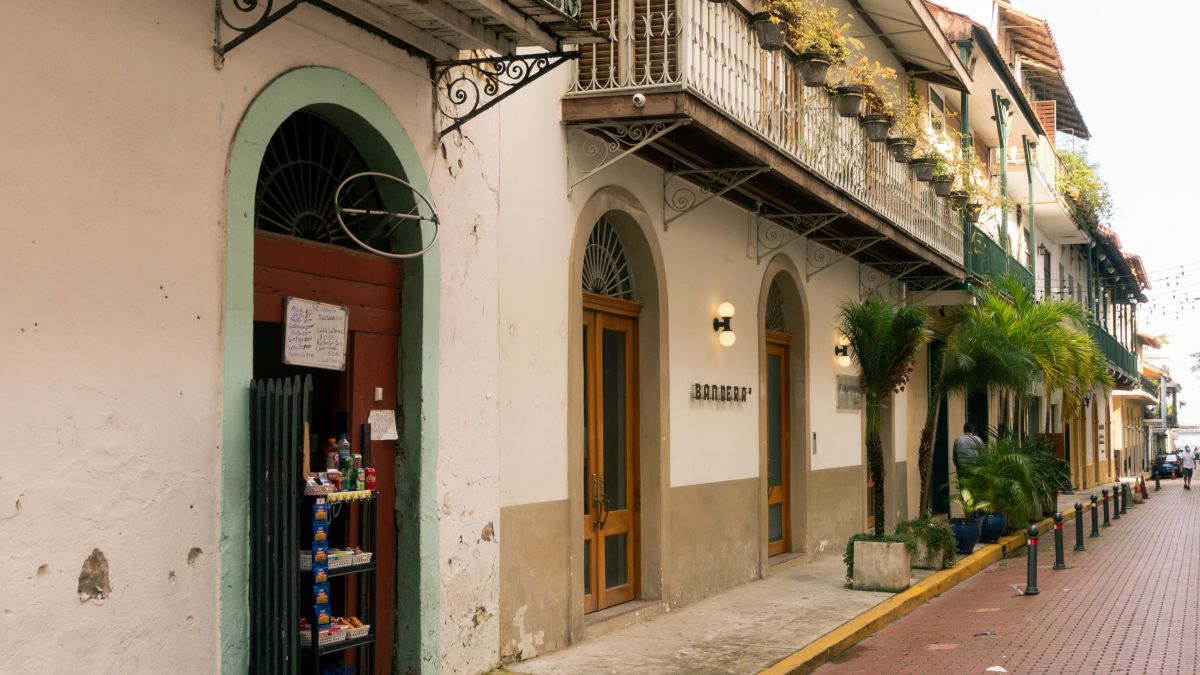
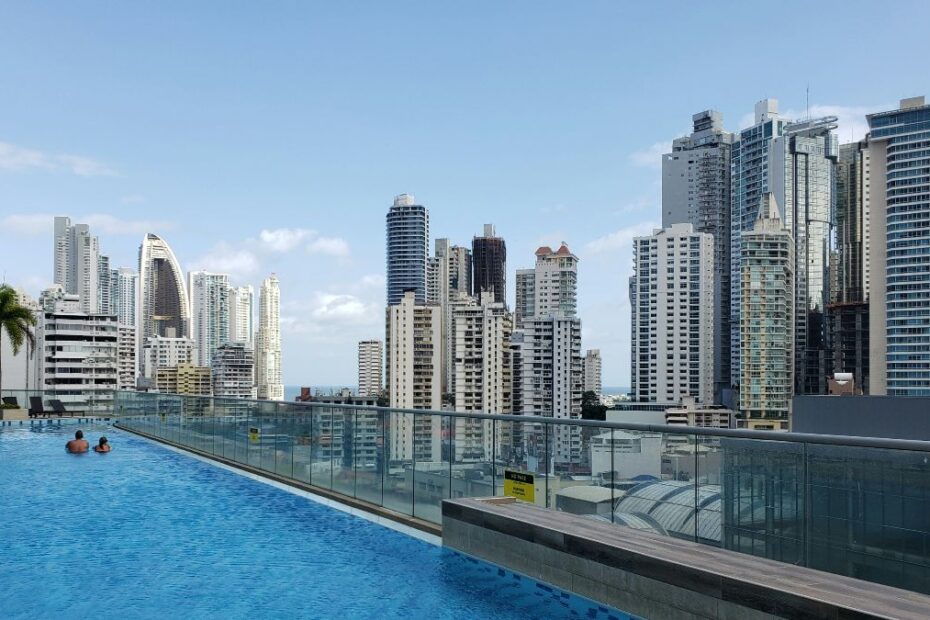
One of the fastest ways to inflate your cost of living in Panama City is simply choosing the wrong neighborhood. Many newcomers gravitate toward areas like Punta Pacifica, Casco Viejo, or Costa del Este. These are well-known, visually appealing, and heavily marketed to expats, but they also come with some of the highest rents in the country.
Something to remember is that these areas set a high baseline cost that many people assume is normal for the city. In reality, Panama City has a wide range of neighborhoods that offer similar convenience at a much lower price point. Areas like El Cangrejo or El Dorado both provide central locations, walkability, and access to restaurants, supermarkets, and transport, often at significantly lower rents. The difference can be substantial, especially over the course of a year.
View this post on Instagram
2. Overpaying to Stay Connected
For digital nomads and remote workers, staying connected is not optional, but it’s an area where people often spend more than they need to in Panama City.
The common mistake is treating home internet as the only solution, or assuming that higher-tier plans automatically mean better performance. In reality, connectivity in Panama City is more flexible than that. Fixed internet quality can vary by building and provider, but mobile data is widely available, relatively affordable, and often fast enough to serve as a primary or backup connection.
Many expats end up paying for expensive home internet packages while also maintaining large mobile data plans, without really needing both at that level. Others commit to apartments without checking connectivity at all, then compensate later with upgrades, hotspots, or co-working spaces. What works better is thinking about connectivity as a mix rather than a single service. A standard home connection paired with a solid local SIM plan is usually enough for most people. In some cases, especially for shorter stays, mobile data alone can cover day-to-day needs, and using an eSIM for Panama is a great way to access that.
3. Shopping Like You’re Still Back Home
Grocery costs in Panama City can vary more than most people expect, and much of that comes down to shopping habits. Many expats default to large supermarkets and imported products, then assume that food in Panama is simply expensive.
Imported goods are the main driver here. Familiar brands from the United States or Europe often carry a noticeable markup, and if you build your routine around them, your grocery bill quickly reflects that. It is easy to recreate a “back home” shopping pattern, but it comes at a cost.
Local products tell a different story. Fresh produce, local meats, and everyday staples are significantly cheaper, especially when bought from smaller neighborhood stores, local markets, or standard supermarkets rather than premium chains focused on imported goods. Many long-term residents mix local and imported items, using local options where it makes sense and reserving imports for specific preferences.
4. Eating Out in the Wrong Places
Eating out in Panama City can either be very affordable or surprisingly expensive, depending on where you go. Many expats and short-term visitors gravitate toward restaurants in areas like Casco Viejo, where prices are often comparable to major cities in the United States. Now, there’s nothing wrong with those places, but using them as your default quickly raises your day-to-day costs. Meals, drinks, and service charges add up, especially if you eat out on a regular basis.
At the other end of the spectrum are fondas, which are small, informal local restaurants serving simple, home-style meals. A typical fonda meal might include rice, beans, meat, and a side, priced well below what you would pay in more polished settings. They’re not designed for atmosphere or presentation, but they are widely used by locals for everyday eating.
Most long-term residents find a balance, depending on their financial situation. Higher-end restaurants become occasional meals, while fondas and casual neighborhood spots handle day-to-day eating. That shift alone can make a noticeable difference to monthly spending without changing how often you eat out.
5. Defaulting to Uber and Taxis
Transport is another area where costs can quietly add up in Panama City. Many newcomers fall into the habit of using Uber or taxis for almost every trip, especially in the first few weeks when the city is unfamiliar. On a per-ride basis, these costs may not seem significant. But used daily, they quickly become a noticeable monthly expense. Short trips that could be walked or handled with public transport often end up being paid rides out of convenience.
Panama City has a much more developed public transport system than any other Central American city. The Panama Metro is modern, inexpensive, and covers key parts of the city, while buses fill in many of the gaps. In central areas, walking is also more practical than many people expect.
It’s not that Uber or taxis are overpriced at all, in fact they’re pretty reasonable. It’s more that these ways of getting around often become the default without much thought. Over time, that habit creates a higher baseline cost of living. Most long-term residents adjust quickly. Ride-hailing still has its place, especially for convenience or late-night trips, but it’s used selectively rather than constantly. Shifting even part of your daily movement to public transport or walking can reduce expenses without making life more complicated.
View this post on Instagram
6. Paying Unnecessary Banking and Currency Fees
Panama’s use of the U.S. dollar makes day-to-day spending feel straightforward, but it can also hide inefficiencies that add up over time, especially for expats managing money across borders in Panama City. A common mistake is relying heavily on foreign debit or credit cards for everyday expenses. ATM withdrawals often come with fees from both the local bank and your home bank, and frequent withdrawals can quietly increase your monthly costs. Card payments can also include foreign transaction fees, depending on your setup.
Another issue is how money is moved into Panama. Using standard bank transfers without considering exchange rates or transfer fees can be significantly more expensive than necessary, particularly for those receiving income from abroad. What works better is taking a more deliberate approach. For longer stays, setting up a local bank account can reduce friction and eliminate many of these recurring fees. Even without a local account, choosing the right cards and transfer methods can make a noticeable difference.
7. Treating Short-Term Living as Long-Term Living
One of the most common ways expats overspend in Panama City is by staying in short-term setups longer than they should. Many people arrive on platforms like Airbnb, intending to stay for a few weeks, and end up remaining for months at rates designed for short stays. Short-term rentals are convenient, but they come at a premium. Monthly discounts help, but they rarely match what you would pay on a local lease.
The same pattern applies beyond housing. Short-term pricing often carries over into things like co-working spaces, transportation habits, and even food choices. When everything is set up for convenience, costs naturally run higher.
What works better is treating the first few weeks as a transition period. Use short-term accommodation to get oriented, explore different neighborhoods, and understand how the city works. After that, shifting to a longer-term rental or negotiating directly can bring costs down considerably. Most long-term residents go through this adjustment. The key is recognizing that short-term convenience is not meant to be a permanent setup, and that moving beyond it is one of the easiest ways to reduce your overall cost of living in Panama.
8. Overpaying for “Expat Convenience”
A lot of overspending in Panama City comes down to choosing convenience at every step. This often shows up in small, repeated decisions rather than one large expense.
It can mean always shopping at higher-end supermarkets, choosing imported products by default, relying on premium services, or paying for things that feel familiar rather than necessary. None of these are wrong on their own, but taken together, they create a much higher monthly cost than many people expect. Panama City makes this easy because those options are widely available. You can live in a way that closely resembles life in the United States or Europe, but the pricing will often reflect that as well.
What works better is being selective. Most long-term residents mix convenience with practicality, using higher-end options where they matter and more local or everyday options where they do not. That balance allows you to maintain comfort without consistently paying premium prices. The point is not to avoid convenience entirely, but to recognize when you are paying extra for it. Once you start making those choices more deliberately, it becomes much easier to get your cost of living down and control overall spending.
9. Not Adapting to Local Pricing (and Paying for It)
One of the less obvious ways expats overspend in Panama City is by not fully adjusting to how pricing works day to day. Many services, small purchases, and informal transactions don’t have fixed, clearly displayed prices. Without a sense of what things should cost, it’s easy to accept the first number you are given or to stick with businesses that cater primarily to foreigners, where pricing is higher but more predictable.
This is where even basic Spanish makes a difference. You don’t need to be fluent, but the ability to ask simple questions, confirm prices, and handle basic interactions gives you more flexibility allows some defense against the inevitable “Gringo pricing” that, unfortunately, some locals indulge in. It also makes it easier to compare options and avoid relying entirely on English-speaking businesses.
The key point here is that learning the language helps to create understanding of how things work locally, which generally leads to better decisions. And better decisions, in Panama City, usually mean lower day-to-day expenses.
Closing Thoughts
Panama isn’t inherently cheap, especially Panama City. Compared to parts of the United States or Europe, it can offer good value, but within Central America it sits towards the more expensive side of things, and it can be easy to lose track of your expenses. If you’re super-wealthy, this might not matter, and by all means, go ahead and live your best life. Panama City is perhaps the best place in Central America to do that. But most people don’t become super-wealthy by overspending on the basics, right?
Most of the areas where expats overspend are not fixed costs. They are patterns that develop early on, often for convenience or familiarity. Once those patterns are in place, they tend to carry through unless they are actively adjusted.
Outside of the capital, the baseline cost of living in Panama is generally lower, but the same principles still apply. Whether you are in the capital or elsewhere in the country, understanding how local pricing works and making deliberate choices is what ultimately keeps costs under control. The takeaway is simple. Panama can be good value, but it’s not automatically so. How much you spend depends largely on how quickly you adapt.