Living in Central America without Spanish is possible — but limiting. Here’s how much you actually need at every stage of relocation.
One of the most common questions people ask before traveling or moving to Central America is whether they need to speak Spanish. The honest answer is not as simple as yes or no.
The reality is that some foreigners live here for years with only basic Spanish. In certain beach towns, expat communities, and cities, it is entirely possible to build a comfortable life while relying heavily on English. Many people do exactly that, relying on bilingual service providers, English-speaking friends, and translation apps when necessary. Others prepare more deliberately before relocating, using online Spanish lessons to build conversational confidence ahead of arrival.
But comfort is not the same as fluency in daily life. Limited Spanish drastically narrows your world in most Central American countries. It shapes who you interact with, where you feel confident going, how independently you handle problems, and how deeply you understand what is happening around you. The further you move beyond the expat and tourism bubble, the more the language gap becomes noticeable.
How much Spanish you truly need depends on how you plan to live. A short-term traveler, a digital nomad, a retiree, and a business owner will face very different realities. The real question is not whether you can get by without Spanish. It is how fully you want to participate in the country you are living in.
The Short-Term Visitor: You Can Get By With Little or No Spanish
If you’re visiting Central America for a week or two and staying in established tourist areas, you may not need any Spanish at all. In beach resorts, boutique hotels, organized tours, and major visitor hubs, English is widely spoken. Many travelers arrive with no Spanish beyond “hola” and “gracias,” and their trip runs smoothly.
The level of Spanish required depends heavily on how you travel. A guest at an all-inclusive resort or a curated itinerary in Costa Rica will encounter English at almost every step. A traveler moving independently through rural bus terminals in Nicaragua, local markets in Guatemala, or lesser-visited parts of Panama will experience something very different.
Zero Spanish is workable in controlled tourism environments. Once you step outside them, even basic conversational ability makes a noticeable difference. It affects how confidently you navigate transportation, resolve small problems, or interact beyond surface-level exchanges.
For short stays in established destinations, language is rarely a barrier. The further you move from those zones, the more it becomes part of the experience.
The Digital Nomad: You Can Live in English — But You’ll Live in a Bubble
If you’re staying three to twelve months and working remotely, Spanish becomes more relevant, even if it’s not strictly necessary at first.
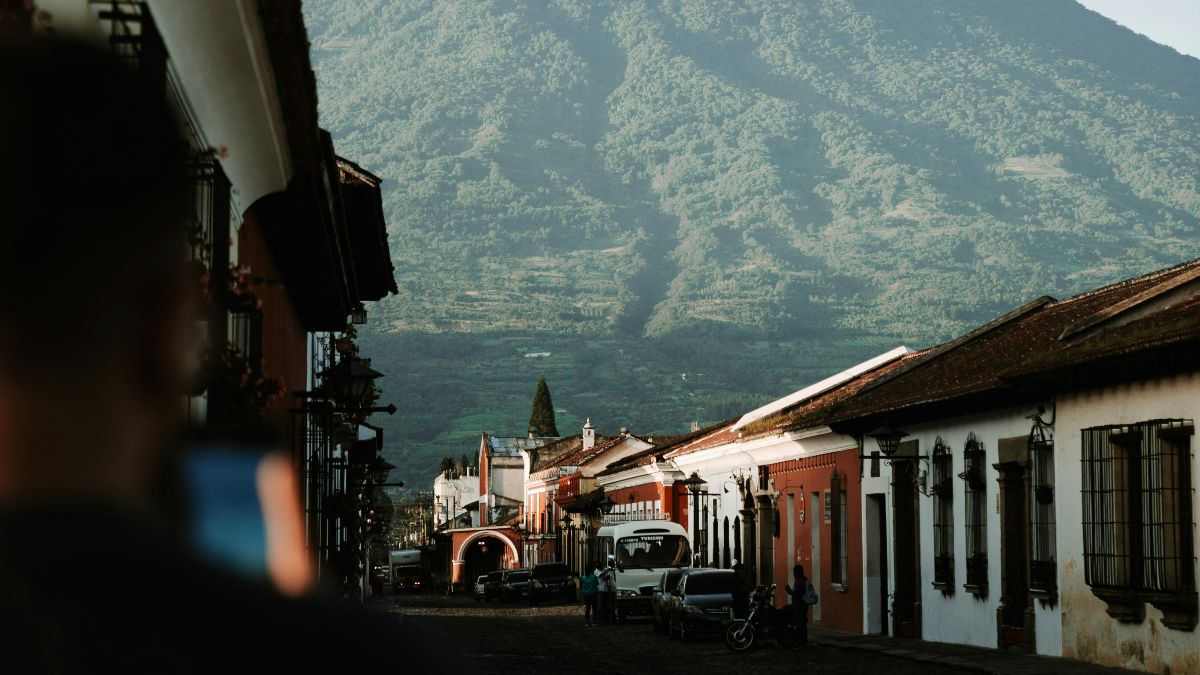
Remote workers and digital nomads often choose locations where English is common: popular beach towns like Tamarindo in Costa Rica, capital cities, or established expat hubs like Antigua. In these environments, it’s entirely possible to rent an apartment, find a co-working space, and build a social circle largely in English. Day-to-day life can feel manageable without much Spanish.
The limitations appear in smaller, practical moments. Dealing with a landlord who speaks limited English. Scheduling a repair. Navigating local bureaucracy. Explaining a banking issue. Visiting a public clinic. In these situations, even intermediate Spanish reduces friction significantly. Socially, language matters even more. Without Spanish, your circle will likely remain limited to other foreigners and bilingual locals. That may be fine for some people, but it narrows exposure to local culture, humor, and nuance.
The Long-Term Expat: Functional Spanish Becomes Essential
Once you move from temporary stay to long-term residency, Spanish stops being a convenience and starts becoming essential.
Renting long-term, buying property, setting up utilities, opening bank accounts, dealing with immigration, and navigating tax or residency processes all happen in Spanish. Even in countries with strong tourism industries, government offices and legal systems operate almost entirely in the local language. Contracts, official notices, and bureaucratic procedures are not routinely translated.
Healthcare is another factor. Private hospitals in major cities may have bilingual staff, but public clinics, specialists outside capital cities, and emergency situations often do not. Being able to clearly describe symptoms, understand instructions, and ask follow-up questions is obviously important.
Beyond logistics, language determines how connected you are to the society you are living in. Local news, political debates, community meetings, neighborhood disputes, and public policy discussions take place in Spanish. Without it, you depend on summaries, translations, or secondhand explanations. That distance shapes how informed and engaged you can be.
Daily life reinforces this. Mechanics, electricians, plumbers, neighbors, school administrators, delivery drivers, and municipal workers generally communicate in Spanish. Relying constantly on translators, bilingual friends, or paid intermediaries limits both independence and flexibility.
Functional Spanish at this level doesn’t mean academic fluency. It means being able to explain a problem, understand a response, ask clarifying questions, follow a news story, and read basic documents without stress.
View this post on Instagram
The Business Owner or Investor: Precision Matters
If you plan to run a business, manage staff, negotiate contracts, or invest locally, Spanish is even more critical to know.
Business conversations are not the same as daily transactions. Negotiations involve nuance. Legal agreements require precision. Employment relationships depend on clarity, and even small misunderstandings can carry financial consequences. While many professionals in Central America speak English, most internal operations happen in Spanish.
Relying entirely on translators or bilingual intermediaries creates distance, slows decision-making, and limits your ability to read tone, hesitation, or cultural subtext. In many cases, what is implied matters as much as what is said directly. Legal and regulatory language adds another layer. Contracts, permits, tax filings, labor rules, and municipal requirements are drafted in Spanish. Even if you work with lawyers and accountants, understanding the basics yourself reduces risk and increases confidence.
There’s also a cultural dimension. Business culture across Central America often blends formality with relationship-building. Knowing when to use formal language, how to address people appropriately, and how to navigate indirect communication styles can influence outcomes.
Bottom line is, if you’re in business down here, you should speak Spanish. You don’t need to be a linguist, but you do need strong, confident command of the language or, failing that, be willing to invest heavily in trusted professional support.
What “Enough Spanish” Actually Means
When people ask how much Spanish they need, they often imagine fluency as the goal. In reality, most long-term residents never get anywhere near that, and find they don’t need perfect grammar or an academic vocabulary. Functional ability trumps all of that.
At the most basic level, that means handling everyday exchanges without anxiety. Ordering food, asking directions, confirming prices, greeting neighbors, and managing simple service interactions. Many visitors never move beyond this stage, and for short stays, that’s usually enough. The next level is practical independence. You can describe a problem to a landlord or mechanic. You can schedule appointments, understand basic instructions from a doctor, read utility bills, and follow a conversation. Sure, you’ll still make mistakes, but you can operate without constant translation.
Beyond that is confident participation. You can follow political debates, understand regional accents, negotiate terms, express disagreement clearly, and engage socially without feeling lost. At this level, you’re an active participant in the life of your host country.
Most people don’t need to reach native-level fluency, but there’s a difference between surviving in a country and moving through it comfortably. “Enough” Spanish is the level that allows you to solve problems on your own and understand what’s happening around you. For those unsure where they stand, a free Spanish trial lesson can provide an objective sense of level and highlight the specific gaps that affect daily independence.
So, How Much Spanish Do You Really Need?
There’s no universal answer to this question because there’s no single way to live in Central America.
If you’re visiting for a short trip and staying around established tourism areas, you may need no Spanish at all. If you’re working remotely in an expat-friendly community, you can function comfortably with limited Spanish for quite some time. But the longer you stay, the more responsibilities you take on, and the more deeply you engage with local systems, the more language becomes part of daily life.
Spanish affects how confidently you solve problems, how clearly you understand what is happening around you, how easily you build relationships beyond the expat community, and how fully you participate in the society you have chosen to live in. You don’t need perfect grammar or native-level fluency, but you do need enough to operate without constant mediation. In most cases, that level arrives sooner than people expect and opens more doors than they initially realize.
In the end, the real question isn’t whether you can get by without Spanish. It’s how much of Central America you want access to once you are here.