Planning a trip or move? Explore the best neighborhoods in Central America’s major cities, including San José, Panama City, Guatemala City, and more.
Aside from Panama City, most travelers to Central America get out of the major cities as quickly as possible. And most expats in the region, unless they have a reason otherwise, envisage themselves living on a tropical beach or close to nature. Central American cities, on the whole, have bad reputations in terms of crime, traffic, pollution, ugly architecture (most of these places aren’t aesthetically pleasing), and so on. But it’s not all chaos if you know where to look.
When people think of Central America’s most exclusive places, it’s often private resort communities and luxury beach developments that come to mind. But that’s not what this article is about. Instead, we’re looking at the region’s major cities and the neighborhoods where wealth, diplomacy, business, and urban prestige tend to concentrate. So if you’re planning a city break, researching a potential move, or simply curious where the region’s wealthiest residents live, these are the addresses worth knowing.
Every major city in the region, which in most cases means every capital city, has those upscale areas where the money lives, where embassies cluster, and where leafy streets come with working sidewalks. This article goes through them, city by city: six capitals plus Belize City (since nobody’s building anything worth writing about in Belmopan) and San Pedro Sula (because Honduras’s exclusive addresses aren’t only in Tegucigalpa).
Let’s take a look at some of the poshest city neighborhoods in Central America.
Belize (Belize City)
Belmopan is the capital of Belize, but it’s a small, purpose-built government town with little in the way of neighborhoods worth writing about. Belize City, the former capital and still the country’s largest city and commercial hub, is where you’ll find the country’s most established urban neighborhoods, making it the natural focus here.
Buttonwood Bay is the closest thing the city has to an established, waterfront-affluent enclave, quiet and spacious with larger homes and a more private, residential feel than the central districts. It reads as old money meets professional class: not flashy, but clearly one of the city’s more desirable addresses, suburban by Belize City standards. King’s Park is more of a polished inner-city residential district than a waterfront luxury zone. It has the feel of a settled, respectable neighborhood where comfort and address matter more than display, quiet middle-to-upper-middle-class rather than overtly elite. If Buttonwood Bay is the prestige waterfront pick, King’s Park is the respectable urban one.
Bella Vista is the more talked-about, aspirational alternative to both, with a local reputation for bigger homes and a quieter, nicer environment than much of the rest of the city. It has a newer-money, status-forward feel, less established than Buttonwood Bay, but still clearly part of the same upscale conversation, the tone around it is more “look at these houses” than “historic prestige.”
While not quite in the same category as the city’s premier residential neighborhoods, Fort George deserves a mention because it’s the part of Belize City most travelers are likely to visit or stay in. Sitting on the peninsula just north of the Swing Bridge, it’s home to the Baron Bliss Lighthouse, many of the city’s best hotels, and the Tourism Village.
Costa Rica (San José)
San José proper doesn’t have much in the way of exclusive neighborhoods. Most are found in the surrounding suburbs that make up the wider metropolitan area, spreading out to the west and east of the capital.
West of downtown, Escazú is widely regarded as the country’s most affluent urban area, home to multi-million-dollar estates, five-star dining, and upscale commercial centers like Avenida Escazú. It’s also popular with wealthy Costa Rican families and expats thanks to its security, highly regarded private schools, proximity to top medical facilities like CIMA, and luxury high-rise apartments. Neighboring Santa Ana offers a different feel. Flatter, warmer, and more suburban, it’s known for its spacious homes, gated communities, and access to some of the region’s best bilingual schools.
Rohrmoser, particularly around the Nunciatura area beside La Sabana Metropolitan Park, is perhaps the most affluent neighborhood within San José’s city limits. It’s a walkable district that mixes mid-century homes with newer apartment towers, home to numerous foreign embassies and ambassadorial residences, all surrounded by parks and broad, tree-lined streets.
Los Yoses and Barrio Escalante, on the eastern edge of downtown, offer a different kind of exclusivity, one that’s more historic and cultural than purely residential. Los Yoses is a quiet, affluent neighborhood of grand homes and diplomatic residences, while Barrio Escalante has become San José’s culinary capital, known for its restored architecture, boutique apartments, and the city’s highest concentration of acclaimed restaurants and cafés. Further east, beyond the university district of San Pedro, Curridabat has long been popular with established Costa Rican families, prominent politicians, and diplomats who prefer its quieter, more traditional character over the, shall we say, more “Americanized” feel of the western suburbs.
El Salvador (San Salvador)
The most exclusive parts of San Salvador sit on the western and southwestern edges of the city, running from the hillside neighborhoods close to downtown out to the master-planned suburbs further south.
Escalón is widely regarded as the capital’s most affluent neighborhood, combining modern high-end apartments with stately older mansions, many with sweeping views across the city. It’s home to international executives and diplomats, along with a strong concentration of restaurants, boutiques, and financial offices. Next door, San Benito and Zona Rosa form the city’s embassy district, an attractive, walkable area of leafy streets, boutique hotels, and some of San Salvador’s best restaurants. Zona Rosa in particular is the city’s best-known dining and nightlife district, home to the Museo de Arte de El Salvador (MARTE) as well as the restaurants that draw affluent locals and visitors alike.
Further south, Santa Elena and Antiguo Cuscatlán represent a different side of upscale San Salvador. Quiet, secure, and family-oriented, they’re known for gated communities like Quintas de Santa Elena and Residencial Las Piletas, highly regarded international schools, and major shopping destinations like Multiplaza. If Escalón is the city’s traditional center of wealth, this is where much of its more recent residential growth has taken place.
View this post on Instagram
Guatemala (Guatemala City)
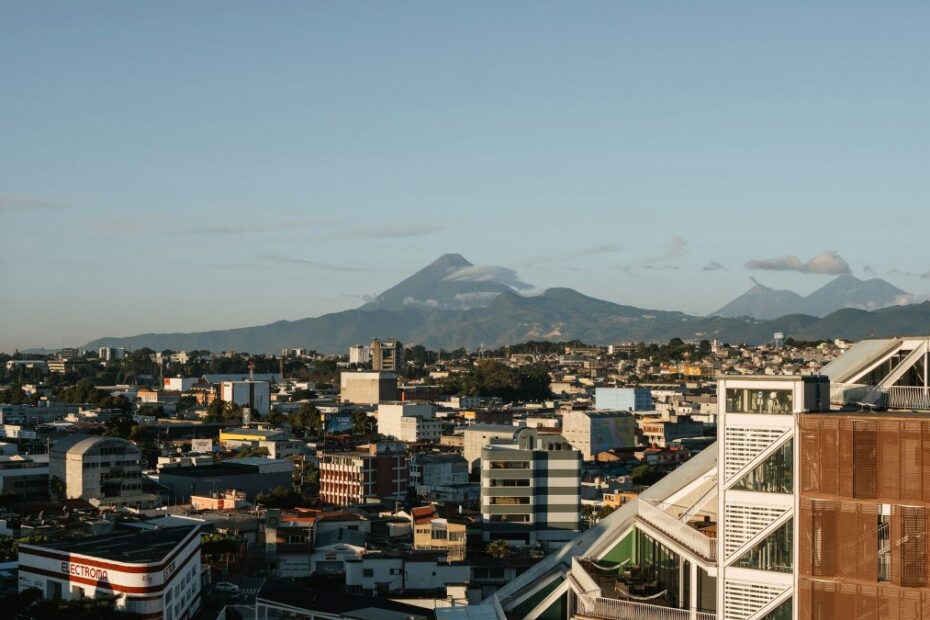
Guatemala City doesn’t really do neighborhood names the way the rest of the region does. The city is carved up into numbered zones, 25 of them in total, and locals navigate by zone number rather than street or barrio name. Some zones are best avoided entirely, but among the ones worth knowing, there’s a real split in flavor depending on what kind of exclusivity you’re after.
Zone 10, better known as Zona Viva, is the loud version. Embassies and five-star hotels sit alongside some of the city’s best restaurants, and the whole area keeps humming well past dinner, with Avenida La Reforma running through the middle of it lined with statues and monuments, genuinely walkable and photogenic by regional standards. A short drive away, Zone 14 is the quiet alternative, known for its luxurious high-rise apartments and upscale shopping and dining without Zona Viva’s nightlife crowd. Wide, tree-lined streets, older money, gated towers, and a residential calm that Zone 10 doesn’t attempt.
Newer than either is Zone 16, built around Paseo Cayalá, Guatemala City’s self-styled Fashion District. Pedestrian-friendly, heavily secured, and designed to feel like a different country entirely from the rest of the city, with upscale shopping, restaurants, and housing all built to a single cohesive plan. It’s the most polished and the most artificial of the three, worth knowing about even if it’s more curated commercial complex than organic neighborhood.
Honduras (Tegucigalpa and San Pedro Sula)
Unlike every other country in the region, Honduras has two cities that share the role of economic and political center. Tegucigalpa is the national capital and home to the country’s government, diplomatic corps, and many of its wealthiest residential neighborhoods. San Pedro Sula, meanwhile, is Honduras’s industrial and commercial powerhouse, meaning many expats relocating to Honduras for work find themselves there rather than the capital.. For that reason, both cities deserve a place in this guide.
Tegucigalpa
Lomas del Guijarro is widely regarded as Tegucigalpa’s most affluent neighborhood, known for its large gated homes and luxury apartment towers just minutes from Multiplaza. Colonia Palmira offers a more historic alternative, home to many of the city’s foreign embassies, luxury hotels, restaurants, and cultural institutions. Further north, El Hatillo climbs into the surrounding mountains, where cooler temperatures, expansive homes, and sweeping views over the capital have made it one of the city’s most desirable residential areas. Lomas de Miraflores and Altos de Miraflores round out the picture as long-established upper-middle-class neighborhoods, with spacious homes close to the universities and financial district.
San Pedro Sula
San Pedro Sula’s most affluent neighborhoods are concentrated to the northwest of the city. Colonia Trejo is one of the oldest and most established, close to downtown but quieter, greener, and more residential. Nearby Río de Piedras offers a similar atmosphere with the added benefit of better walkability and a lively mix of boutique hotels, cafés, and restaurants. For something newer, Ciudad Jaragua is a carefully planned residential community, while Colonia Juan Lindo, in the foothills of the Merendón mountains, offers larger properties, cooler temperatures, and a more secluded setting than neighborhoods closer to the city center.
Nicaragua (Managua)
Managua looks very different from most of Central America’s capitals. Much of the city was destroyed in the 1972 earthquake, and rather than rebuilding around a traditional downtown, development gradually spread south and southeast. Today, that’s where you’ll find most of the capital’s most affluent neighborhoods, many on higher ground with cooler temperatures and better views.
Santo Domingo is usually the first name that comes up, with its large homes and gated communities clustered around Galerías Santo Domingo, one of Managua’s leading shopping and dining destinations. Just southeast of the center, Las Colinas offers a similar atmosphere, with spacious properties, tree-lined streets, and several of the city’s best international schools nearby. Further into the hills, Villa Fontana and Villa Fontana Sur trade proximity to the center for a cooler microclimate and sweeping views over the capital, making them particularly popular with diplomats and business executives.
Los Robles offers something different, and arguably something more practical. Leafy and walkable, close to Metrocentro and the Zona Rosa district, it’s home to several embassies alongside quiet cafés, boutique shops, and established residential streets. Las Cumbres, in Managua’s southern corridor, rounds things out as a gated hillside community known for its large homes, privacy, and security.
View this post on Instagram
Panama (Panama City)
Panama City is by far the most cosmopolitan capital in the region. The skyline alone sets it apart, a genuine high-rise city that looks more like Miami or Singapore than anything else in Central America, and the city’s most affluent neighborhoods reflect that international character.
Punta Pacifica is perhaps the best-known example, a peninsula of glass towers jutting into the Pacific with some of the country’s highest property values. Right next door, Punta Paitilla offers a more established feel. One of the city’s oldest affluent neighborhoods, its apartment buildings tend to offer more space than many of the newer towers, all within walking distance of the waterfront and some of Panama City’s best shopping.
Elsewhere, Santa María Golf & Country Club is one of Panama’s best-known gated communities, built around a Nicklaus Design golf course with lakes, expansive homes, and meticulously planned streets. Costa del Este offers a different take on upscale city living, a modern, master-planned district of apartment towers, gated neighborhoods, corporate offices, private schools, and waterfront parks that’s particularly popular with families and business professionals.
Visitors shouldn’t overlook Casco Viejo either. While it’s better known for its beautifully restored colonial architecture, boutique hotels, and vibrant restaurant scene than as a purely residential neighborhood, it has become one of Panama City’s most desirable and expensive historic districts.
Wrapping Up
Central America’s major cities may never compete with their beaches, cloud forests, or colonial towns for international attention, but every one of them has neighborhoods that tell a different story. Embassy districts, historic enclaves, master-planned communities, and waterfront skylines all reveal another side of the region, one shaped by business, diplomacy, and urban life as much as tourism.
Planning a city break, researching a potential move, or simply satisfying your curiosity? Knowing these neighborhoods provides a better understanding of Central America’s cities and how they differ from one country to the next. The beaches may be what put the region on the map, but they’re only part of the story.