Remote work in Guatemala offers a lower cost of living, growing digital nomad hubs, and improving internet infrastructure. Here’s what to realistically expect before relocating.
In recent years, Guatemala has become more popular with digital nomads and remote workers looking for a lower cost of living and a more flexible lifestyle abroad. Antigua, Lake Atitlán, Guatemala City, and other places now have established remote work communities and infrastructure that make longer stays much more practical than many people expect.
But working remotely in Guatemala also comes with practical realities that many underestimate before arriving. Internet quality can vary depending on the destination, weather can affect connectivity during the rainy season, and not every popular tourist destination functions equally well as a long-term remote-work base.
For many remote workers, the experience ultimately comes down to choosing the right location and building realistic routines around how they actually work. Infrastructure, internet reliability, productivity, and day-to-day lifestyle can all vary considerably depending on where someone is based.
Staying Organized While Working Remotely
One of the biggest challenges remote workers face in Guatemala is maintaining consistency and routine over long periods of time. Internet quality, workspace setup, noise levels, and even rainy season weather can all affect productivity. That’s why many long-term remote workers eventually prioritize practical considerations over aesthetics when choosing where to live and work. Reliable internet and comfortable long-term accommodations often become more important than great views or proximity to tourist areas.
Organization also becomes easier when administrative tasks are kept simple and consistent. Using systems for scheduling, invoicing, file management, and communication helps reduce distractions and keeps work routines more stable day to day. Even small tools, like, for example, a professional invoice template for Word, can help keep billing and records organized while working remotely.
Best Places for Remote Work in Guatemala
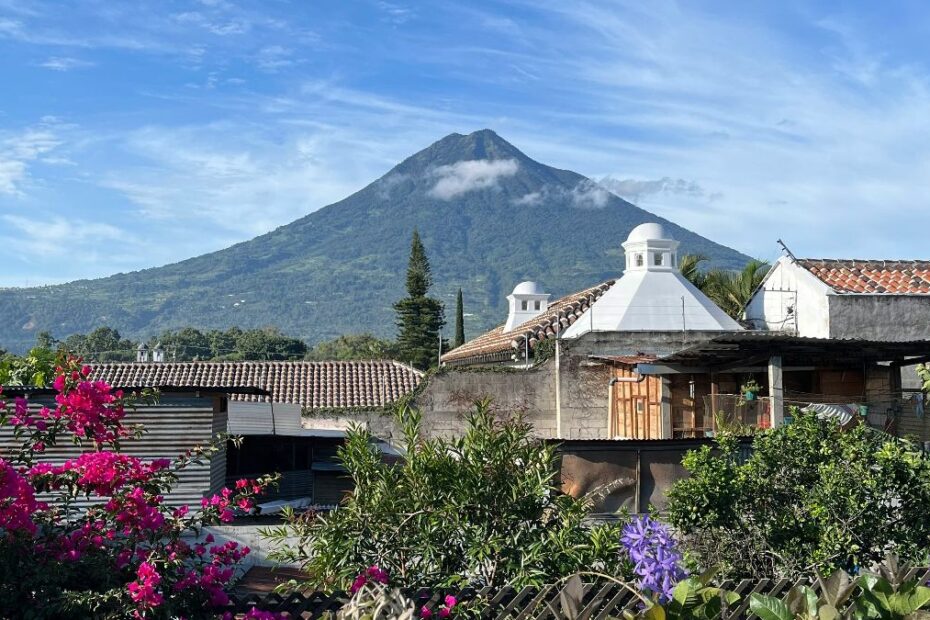
For most remote workers, Antigua is still the easiest all-around base in Guatemala. The city combines relatively reliable internet, established co-working spaces, strong café culture, and a growing remote-work community. It works particularly well for freelancers, consultants, and people balancing productivity with lifestyle and walkability.
Guatemala City is usually the strongest option for people with heavier workloads or more demanding professional setups. Zones 10, 13, and 14 offer more dependable infrastructure overall, better access to services, and a wider range of co-working spaces and long-term rentals. For remote workers managing frequent meetings or stricter schedules, the capital is often the most practical choice.
Elsewhere, Lake Atitlán appeals more to remote workers prioritizing scenery and a slower pace of life, though the experience can vary significantly depending on the town and accommodation. Panajachel and San Pedro tend to be the most workable options for longer stays, particularly for people with more flexible schedules. Beach destinations in Guatemala are often the most hit-and-miss due to less reliable internet and electricity. The surf community of El Paredón has become increasingly popular with short-stay remote workers, but it’s still better suited to lighter remote schedules than full-time office-style work.
View this post on Instagram
Internet in Guatemala: Better Than Many Remote Workers Expect
Internet quality in Guatemala has improved significantly in recent years. Guatemala currently ranks second in the region for mobile internet speeds, though fixed broadband speeds remain more average by regional standards.
For remote workers, that generally means Guatemala is capable of supporting full-time online work far more comfortably than many people initially assume before arriving. Video calls, cloud-based work, uploads, and day-to-day communication are usually manageable in the country’s main remote-work hubs, particularly when staying in accommodations or co-working spaces designed for longer-term stays.
At the same time, internet consistency can still vary depending on the exact property, provider, and season. Heavy rain and power outages can occasionally affect connectivity, particularly outside larger urban areas. For remote workers with meeting-heavy schedules or more demanding workloads, choosing accommodations with proven internet reliability often becomes one of the most important practical considerations.
Who Remote Work in Guatemala Suits Best
Guatemala generally works best for those with a certain degree of flexibility in how they work day to day. Freelancers, consultants, writers, designers, developers, online business owners, and people working more independently often adapt well to the country’s pace and infrastructure.
For people who don’t need to be constantly online or available 24/7, Guatemala can offer a very workable balance between lifestyle, affordability, and productivity. Remote workers operating on more asynchronous schedules also tend to adapt more easily, particularly outside Guatemala City and Antigua.
At the same time, people working in highly structured corporate environments with constant video meetings, strict response-time expectations, or workloads that depend on perfectly stable connectivity may find countries like Panama or Costa Rica easier overall. Both countries generally offer stronger and more consistent infrastructure for remote workers who need to stay connected throughout the workday without interruption.
That said, Guatemala’s remote-work infrastructure continues to improve. Internet quality, co-working options, and long-term remote-work accommodations are much better than they were even a few years ago, which is one reason the country has become increasingly popular with remote workers across the region.
Final Thoughts
Guatemala can work well for remote workers, but the experience often depends on having realistic expectations about infrastructure and choosing the right base for the type of work involved.
For some people, Antigua offers the best balance between productivity and lifestyle, while Guatemala City may make more sense for heavier workloads or more demanding schedules. More remote places can still work well, though they’re often better suited to people with more flexibility in how and when they work.
Over the long term, infrastructure and reliability usually matter more than aesthetics alone. Remote workers who prioritize stable internet, comfortable workspaces, and realistic routines generally find Guatemala far easier to manage as a long-term base.